
Foreword from Chief Justice Patricia Guerrero
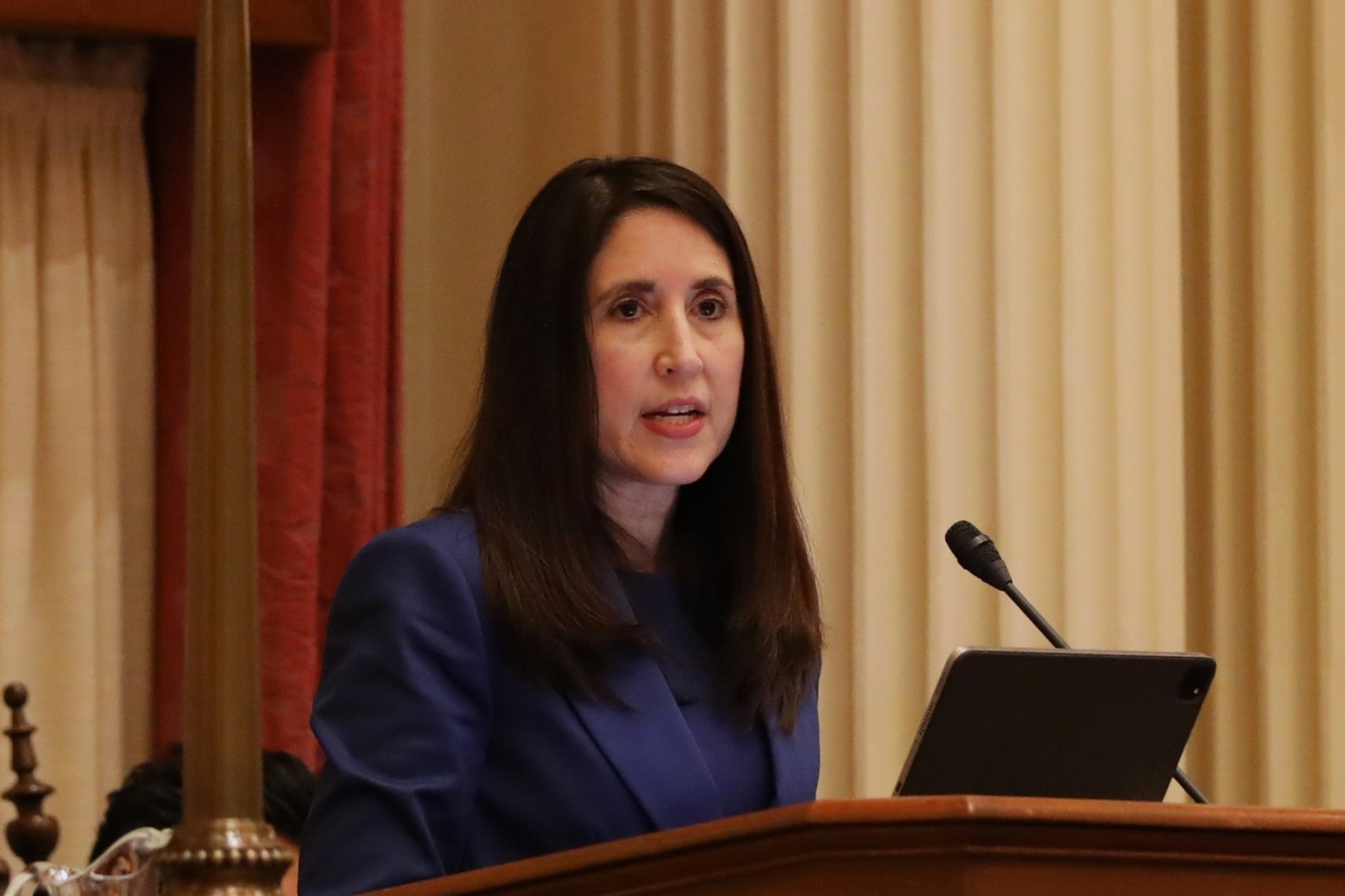
As Chief Justice of California, I am honored to serve as chair of the Judicial Council of California, the policymaking body for our state’s judicial branch. Together with over 400 volunteer members, the council works to ensure the “consistent, independent, impartial, and accessible administration of justice” throughout our state.
This Judicial Council Year in Review highlights key initiatives and accomplishments from 2025 that advanced these objectives and improved service to the public.
Our Strategic Plan continues to guide our priorities, with Access, Fairness, Diversity, and Inclusion as a central goal. We strive for courts that are responsive to the needs of Californians from diverse cultural and social backgrounds and that reflect the communities they serve. We also work to foster an inclusive court system in which all individuals feel respected and engaged.
This focus on inclusive collaboration was on full display at this year’s Beyond the Bench Conference, our first since the pandemic. As a former family court judge, I was proud to support the return of our largest multi-disciplinary conference. More than 1,000 participants focused on improved outcomes for children, youth, and families in the California court system.
The conference created opportunities to support multi-disciplinary learning and collaboration and the development of innovative solutions to address the needs of youth and families in our court system. Sessions emphasized subjects such as juvenile dependency and delinquency, domestic violence and the importance of Kin-First culture—an approach we also spotlighted during our November meeting declaring Court Adoption and Permanency Month.
2025 also marked the 15th anniversary of the council’s Tribal Court–State Court Forum, established to improve working relationships and outcomes for Native Americans involved in the justice system. There are now over 32 courts representing nearly 50 tribes participating in the forum.
Further reflecting our commitment to diversity and inclusion, I am privileged to serve on one of the most diverse high courts, and alongside some of the most talented judicial colleagues, in the nation. A recent analysis by the Brennan Center for Justice study highlights the importance of this welcome distinction for California–not only to enhance public trust but to ensure judicial decision-making is informed by a broad range of perspectives. Our annual Judicial Officer Demographics report shows a steady increase for the 19th straight year: more than 40 percent of our judicial officers are now female, and the percentage of Asian, Black, and Hispanic judicial officers has more than doubled since we began collecting this data in 2006. We look forward to continuing to build on this progress into the future.
Technology and data continue to shape how we serve the public and manage our resources. The Judicial Council is increasingly using data analytics to help the branch make more informed decisions about how to better serve the public and our justice system.
At the same time, we continue to expand digital tools that enhance access to justice, including the online Self-Help Guide, the MyCitations Ability-to-Pay tool, and chatbots that provide real-time assistance to court users.
With expanded digital services comes an increased responsibility to safeguard the integrity of our systems. Strengthening cybersecurity and digital resilience remains a top priority throughout the branch.
A significant area of focus is the evolution of artificial intelligence. Generative AI offers great promise, but it also raises complex issues for judicial integrity, privacy, and due process. In 2024, I appointed a task force to develop policy recommendations and guidance for local courts on the appropriate use of AI. In 2025, the task force presented its first report to the council, including a model AI policy for courts to use or adopt. The council’s next area of focus is the use of AI in the submission and handling of evidence in court. Our guiding principle remains clear: any adoption of AI must protect the integrity of the judicial process and uphold the public’s trust.
California’s size, diversity, and complexity require collaboration among the three branches of government, and the judicial branch remains committed to supporting our sister branches in implementing policies and legislation that benefit Californians.
One excellent example is the Community Assistance, Recovery, and Empowerment (CARE) Act. Courts in all 58 counties are working with local partners to help individuals with severe mental illness access housing, treatment, and recovery services before they fall deeper into crisis. Through these efforts, courts serve not only as legal forums but also as pathways to stability, safety, and hope.
Beyond these highlighted initiatives, the Judicial Council provides essential programs and services that support California’s trial and appellate courts. These include budget development and allocation; accounting and procurement; audits; human resources; information technology; education and training; courthouse construction and management; emergency planning and security; legal services; and legislative advocacy. The breadth of this work reflects the council’s unique role in supporting a statewide court system that handles millions of cases a year.
The accomplishments in this Year in Review are made possible by the dedication of council members, advisory bodies, and staff—public servants who work to support courts and improve access to justice for all.
Looking ahead, the Judicial Council will celebrate its 100th anniversary in 2026. When California voters approved Senate Constitutional Amendment 15 in 1926, they created the Judicial Council to unify and improve the statewide administration of justice.
A century later, that vision remains the core of our work. The council has evolved into a critical institution that promotes consistency across courts, elevates service to the public, and enhances the experience of those who rely on our justice system.
As we enter this milestone year, we will continue to advocate for sufficient and stable funding for court operations and expanding access to justice through remote technology.
Our commitment remains firm to serve all Californians and uphold the rule of law as a cornerstone of our democracy. I am grateful to the more than 20,000 public servants across our state’s judicial branch who dedicate themselves to these principles every day.
In the year ahead, we will also celebrate the 250th anniversary of the signing of the Declaration of Independence in 1776. This founding document articulates the principles on which our government and our identity as Americans is based. The Judicial Council of California’s existence as a public institution stems from these principles and from our collective efforts to protect the rights of all people, uphold the rule of law, and advance equal access to justice for all. The council looks forward to continuing this important work on behalf of the public we serve.
Sincerely,

Patricia Guerrero
Chief Justice of California and
Chair of the Judicial Council