
Justice Kelli Evans and Justice Stacy Boulware Eurie Share Perspectives on Diversity in the Courts
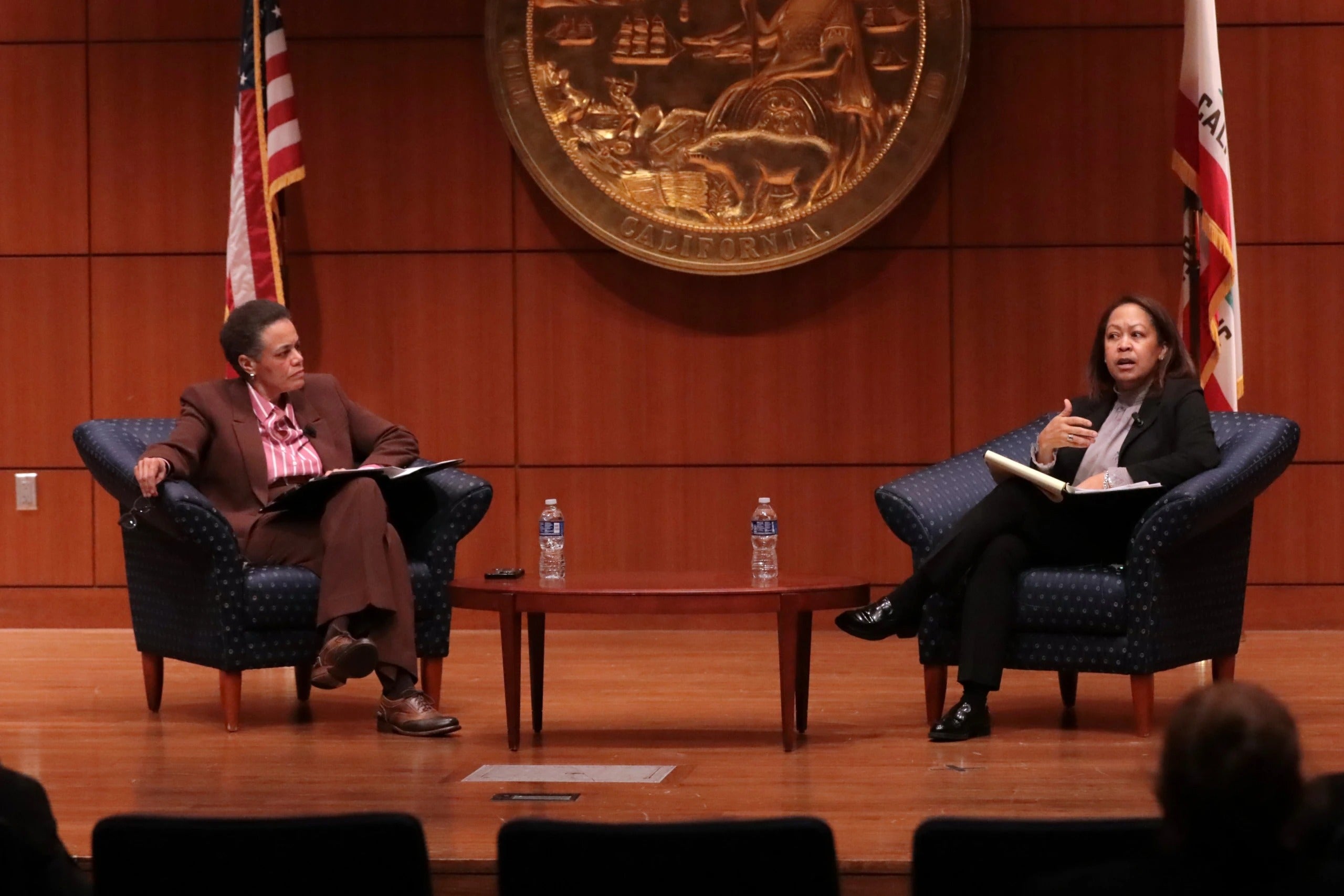
Justice Kelli Evans and Justice Stacy Boulware Eurie began their journeys in law as students at UC Davis at similar times, but neither expected their rise to the bench in California's appellate courts, as they first recounted in a conversation with each other during the Black History Month 2026 Closing Ceremony at the Judicial Council on Feb. 25.
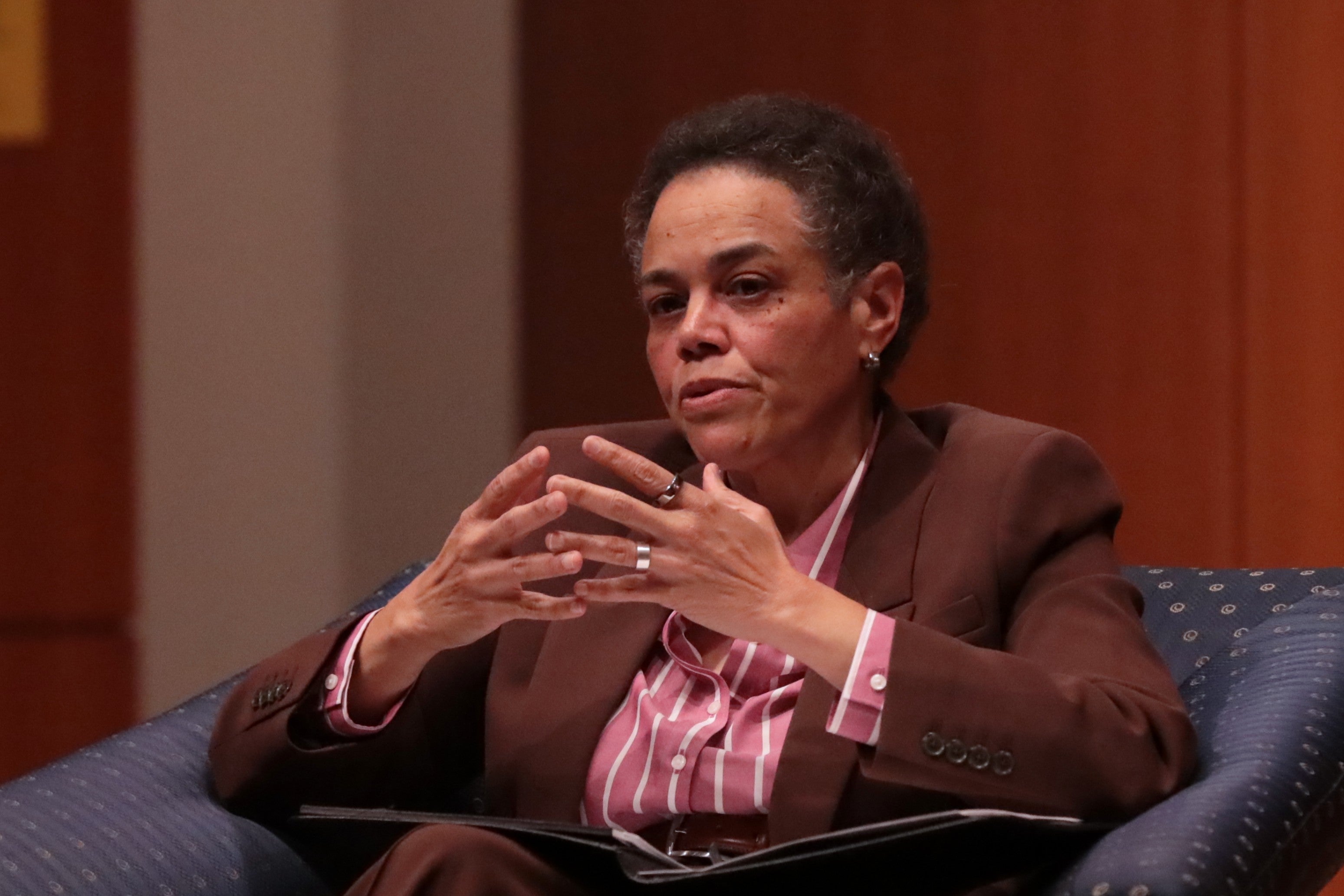
"As an attorney, I hoped and thought that one day I would eventually like to become a judge, so when I got appointed to the Alameda County court trial bench, I thought I had made it...and I would have happily retired there," said Justice Evans, associate justice of the California Supreme Court. "It was a surprise when I got the call from the governor saying he wanted to elevate me to the California Supreme Court."
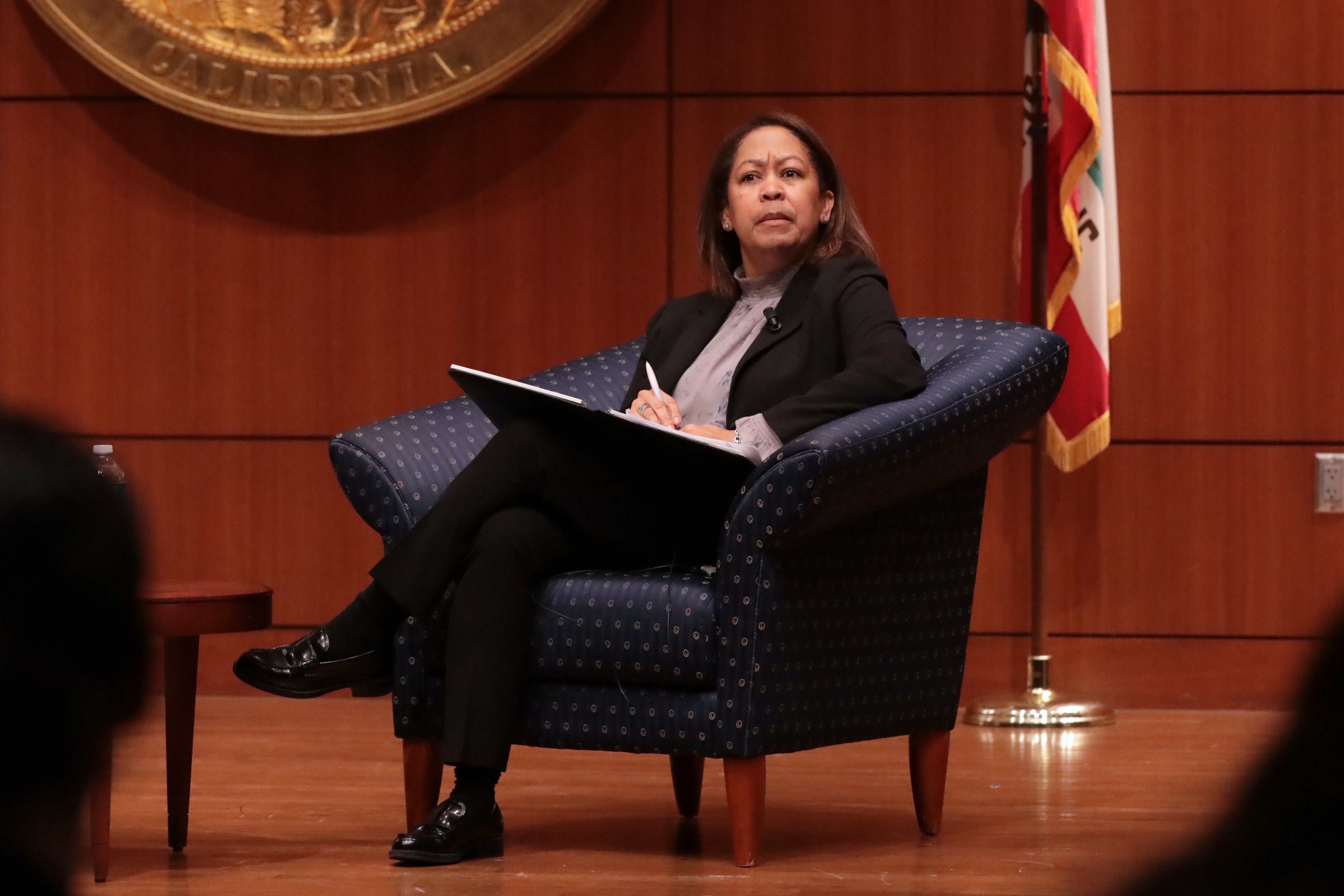
"While in law school, I dreamt of being a trial judge and when I was appointed in 2007 [to the Sacramento Superior Court], it was literally a dream come true," said Justice Stacy Boulware Eurie, associate justice of the Court of Appeal, Third Appellate District. "There's no way I could have anticipated or predicted the current seat I hold."
The two justices shared the stage to discuss insights on diversity and inclusion in the courts, access to justice, the roles of judicial officers and court staff, and other topics. Following are highlights from their conversation.
On the role of jurists in honoring diversity and inclusion
Justice Evans: When I think about inclusion in particular, I think what it means is making sure people feel seen and are seen, feel heard and are heard, have a shot at opportunities, and in the court system, that they feel like it really works for them. Individual judges can do things in their courtrooms that embody these values. From the bench, you can treat all litigants with respect, make sure that you're implementing procedural justice in your courtroom. You can make sure you're using inclusive and accessible language. You can make sure you're explaining your decisions clearly, particularly to the person on the losing side of the decision. You can do things at a leadership level, like advocate for policies that help promote diversity and inclusion.
Another thing judges and individuals can do is community outreach and engagement. The more that our communities understand about the justice business, the better it is for our court system and the more likely we are to have diverse and inclusive court systems. If we help everyone to understand they have a stake in it, they have an opportunity to participate in a system that can and should work for everyone.
Justice Boulware Eurie: We're all familiar with systemic opportunities and/or barriers for diversity and inclusion, but I also think there's an individual level of opportunity and obligation to see who's at that proverbial table. No entity or structure is perfect but I do think our branch in particular is a mirror to society. The folks that come in through courthouse doors, those folks who support the work of the trial courts, Courts of Appeal, and the Supreme Court reflect and should reflect California's citizenry.
On the importance of diversity of perspectives and experiences in courts
Justice Evans: In the California Supreme Court, we have seven justices who are responsible for making decisions that impact all 40 million of us in California. When you have people at that table who have diverse experiences like people who have been defense attorneys, have represented civil rights litigants, worked with law enforcement their whole lives, been subjects of racial profiling, have family members who have been incarcerated, or have been career prosecutors, that's a very rich discussion and it brings voices to the table that have long been missing. When I talk about diversity, I'm not just talking about race, gender, or sexual orientation - I'm talking about life experience, geography, practice areas, income, all sorts of things. I think it's important in the trial courts if not more important at the appellate court levels.
The more people with nuanced perspectives who are part of a conversation, we'll have fewer blind spot errors, and we'll have a better understanding of potential impacts on various communities.
Justice Boulware Eurie: When we talk about an impartial court and fair and balanced justice, I think some of that comes from diversity of thought, not just traditional values or experiences. Are there voices that are ensuring a check on the system and as drivers of procedural justice, that it's not just one voice being heard? Is there space for different perspectives and values on how the law is interpreted?
I think it looks different in a Court of Appeal or Supreme Court because it's not a single individual judge making all the decisions in a courtroom. In the trial court, those different [perspectives can come from] roles of the prosecutor or public defender, or parents' counsel, minor's counsel, and county counsel. I'm pretty proud of California's courts because I think our branch is embracing the opportunities we're talking about.
I thought about language and diversity of perspectives. In juvenile court, when we're dealing with children who are removed from their homes - particularly Black families and communities - we may hear "Hey, that's my cousin." You might later figure out "That's my play cousin" and having a bench officer who understands community relationships and ties that exist beyond blood helps to inform the decision-making in about what's in the best interest of the child. This is just one example of a type of diversity of experience and the opportunity for more informed decision making when you are hearing from and learning about different experiences.
On court staff
Justice Evans: Our clerks are procedural guardians. Our research attorneys carry an enormously important load as first line filters for the judges and justices for what's coming in and they often go through incredibly voluminous records. There are other court staff like interpreters, reporters, and self-help attorneys. There are court administrators who are doing work that make our courts accessible to the public. Our librarians are facilitating all of our access to material that we need to do our jobs. We've got court security personnel that are protecting our litigants and jurors.
Sometimes this work is done under immense time pressure and public scrutiny. We're in a system full of unsung heroes. People know about judges, but people also need to know about the essential roles in our justice system that make it possible to seek and obtain justice.
I also know that the more people learn about these roles - young people in particular - the more they're interested in our work. Young people may not be interested in becoming a lawyer or a judge, but would be really interested in one of these other roles. So the more we can share that information, the better.
Justice Boulware Eurie: The one role I want to highlight is IT (Information Technology). In the Sacramento Superior Court in the period during COVID, we were spreading jurors out in different courtrooms and utilizing Zoom for them to hear and participate in selection. We had one particular IT member who was running from courtroom to courtroom, standing in the back -- not just to make sure the Zoom and speakers were working, but to make sure we could all be heard clearly. He was trying to stand in the shoes of the user, hearing what was happening in that courtroom or a different courtroom so there was meaningful participation. We know remote access is something the branch is very committed to and is super important.
Advice for law students and aspiring lawyers
Justice Boulware Eurie: Keep an open mind. I think a lot of people attend law school and go in with this vision of what it is that they want to do and just like undergrad, it's an opportunity for exploration. There will be an opportunity to learn so many substantive areas that you may not have been familiar with. As it relates to this conversation [around diversity and inclusion], I think of the growing importance of environmental law and looking at the demographics of law schools and who participates in those programs -- often I don't see people of color.
Look not only where you can participate, but who can you bring along? What other spaces, clinicals, programs, and internships might you and your peers participate in? Is it always the same folks raising their hands? Is there a way you can nudge a colleague or peer to join you in a lunchtime conversation with a professor on a topic that you might otherwise think is dry as sand? Challenge yourself by learning something new in terms of perspective, life background, and the law.
Justice Evans: Do what interests you. It might not be what everyone else is doing. Find people that you think are doing things that are interesting and exciting, and reach out to them and learn more. Try lots of different things and stay flexible. There's lot of different ways to be happy in any career but especially as a lawyer.
Watch Justice Evans and Justice Boulware Eurie's full conversation.
Images