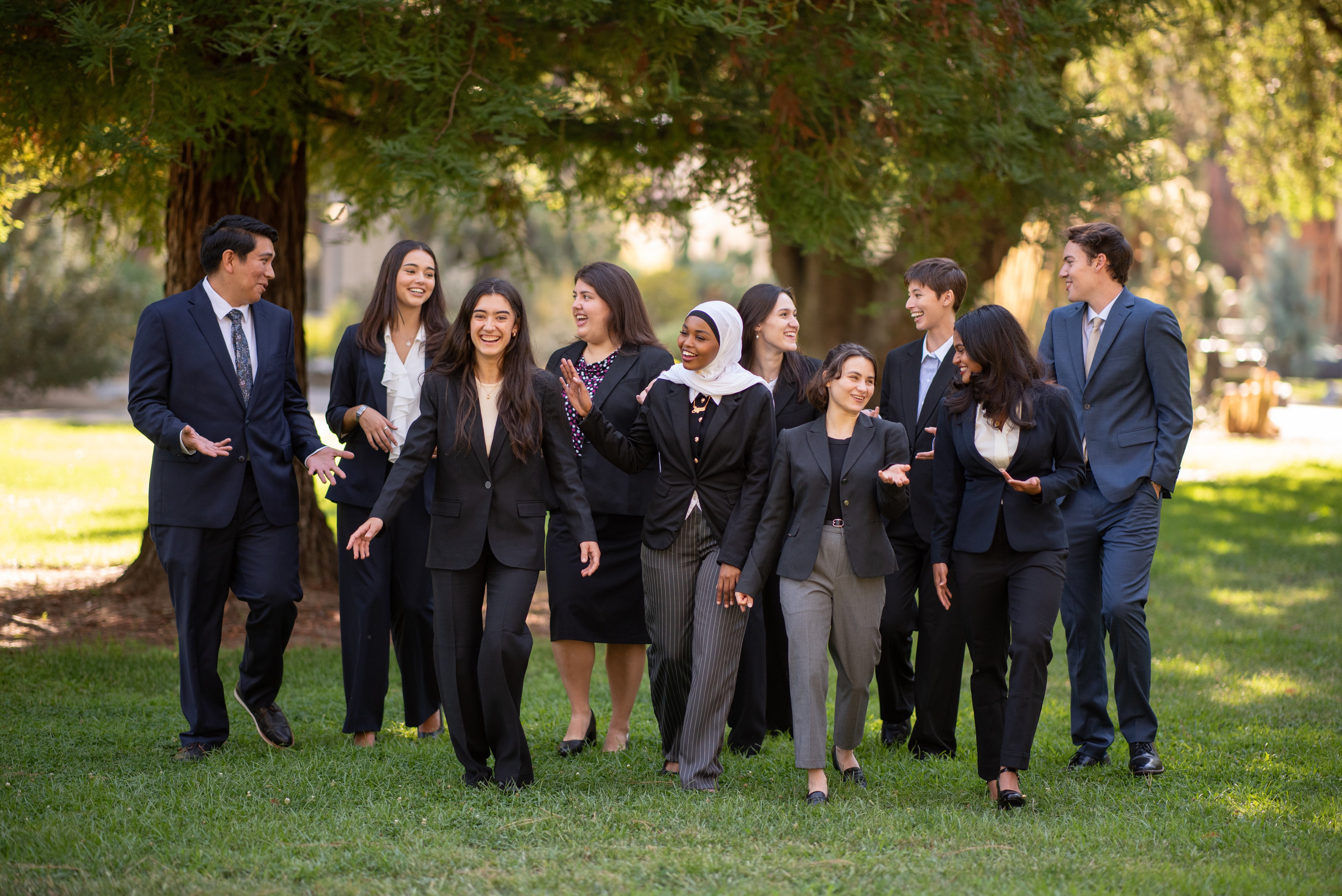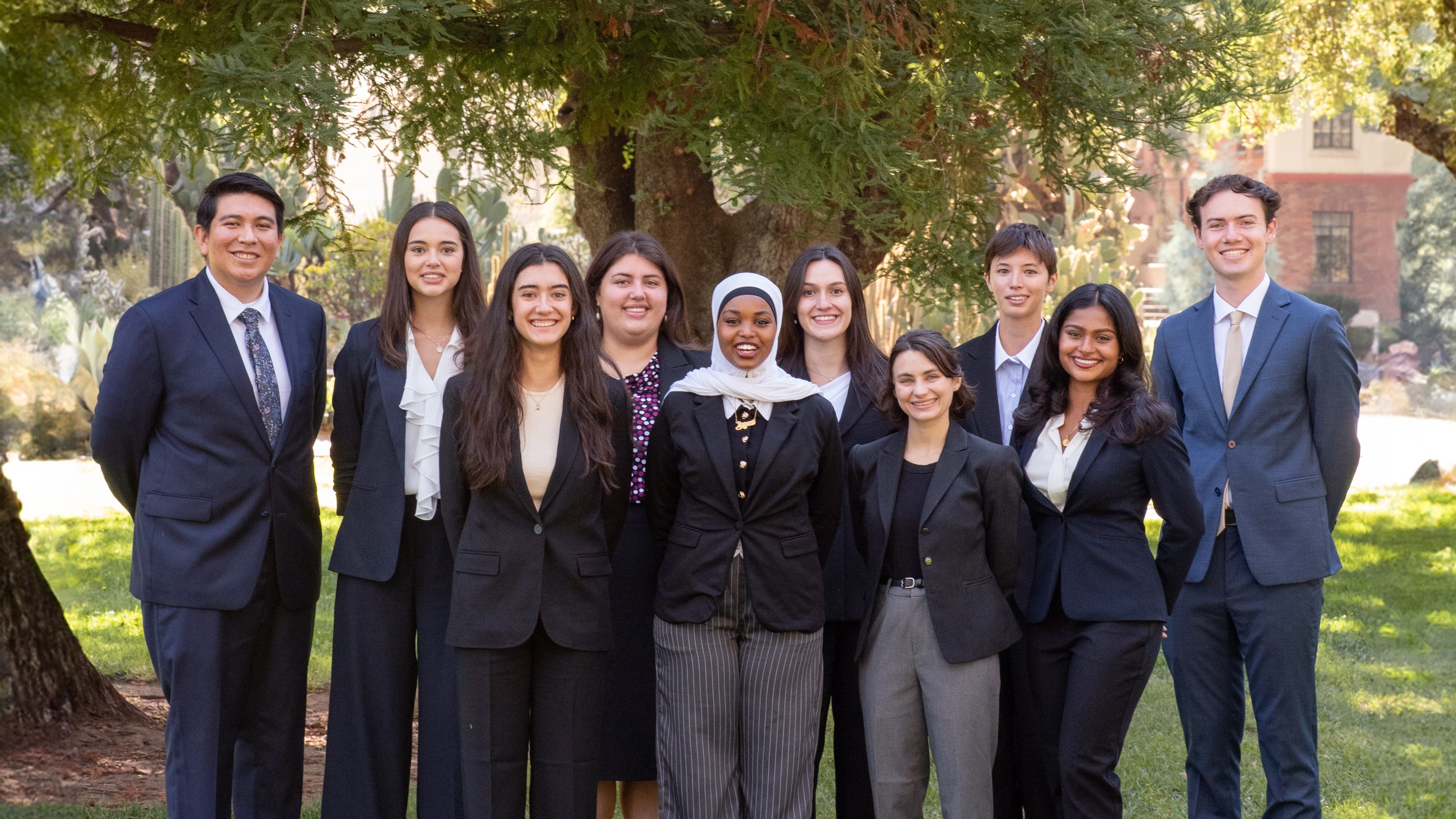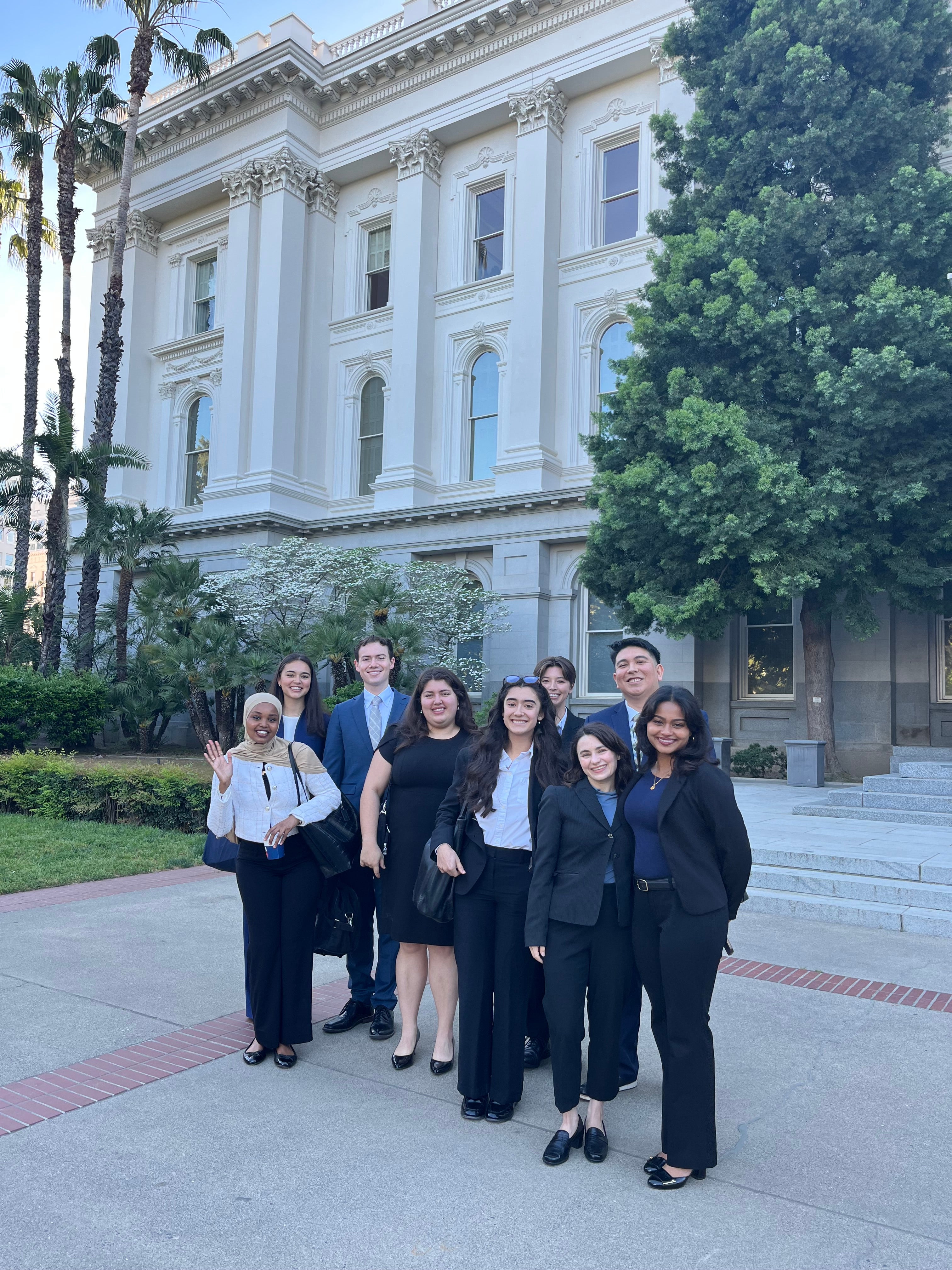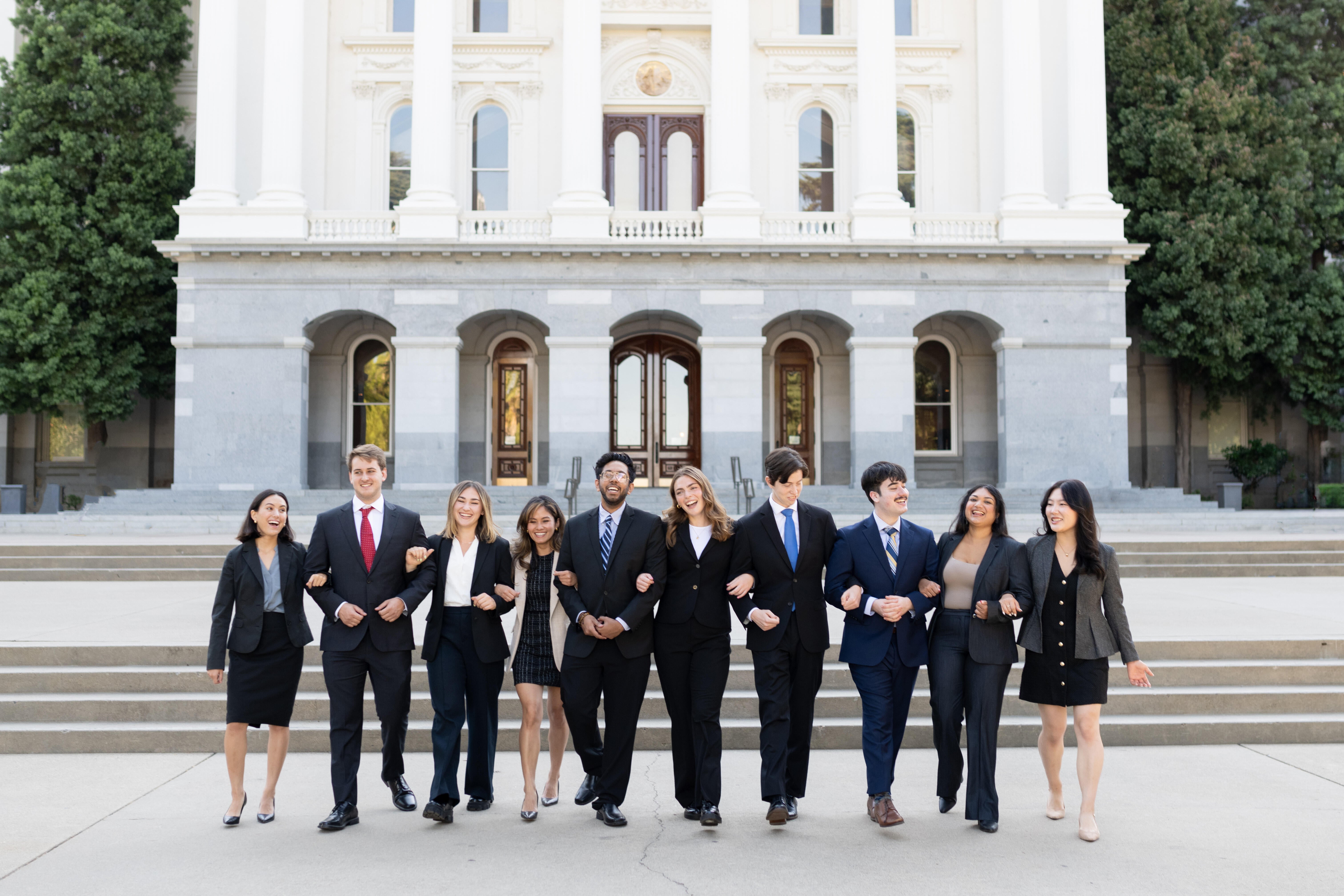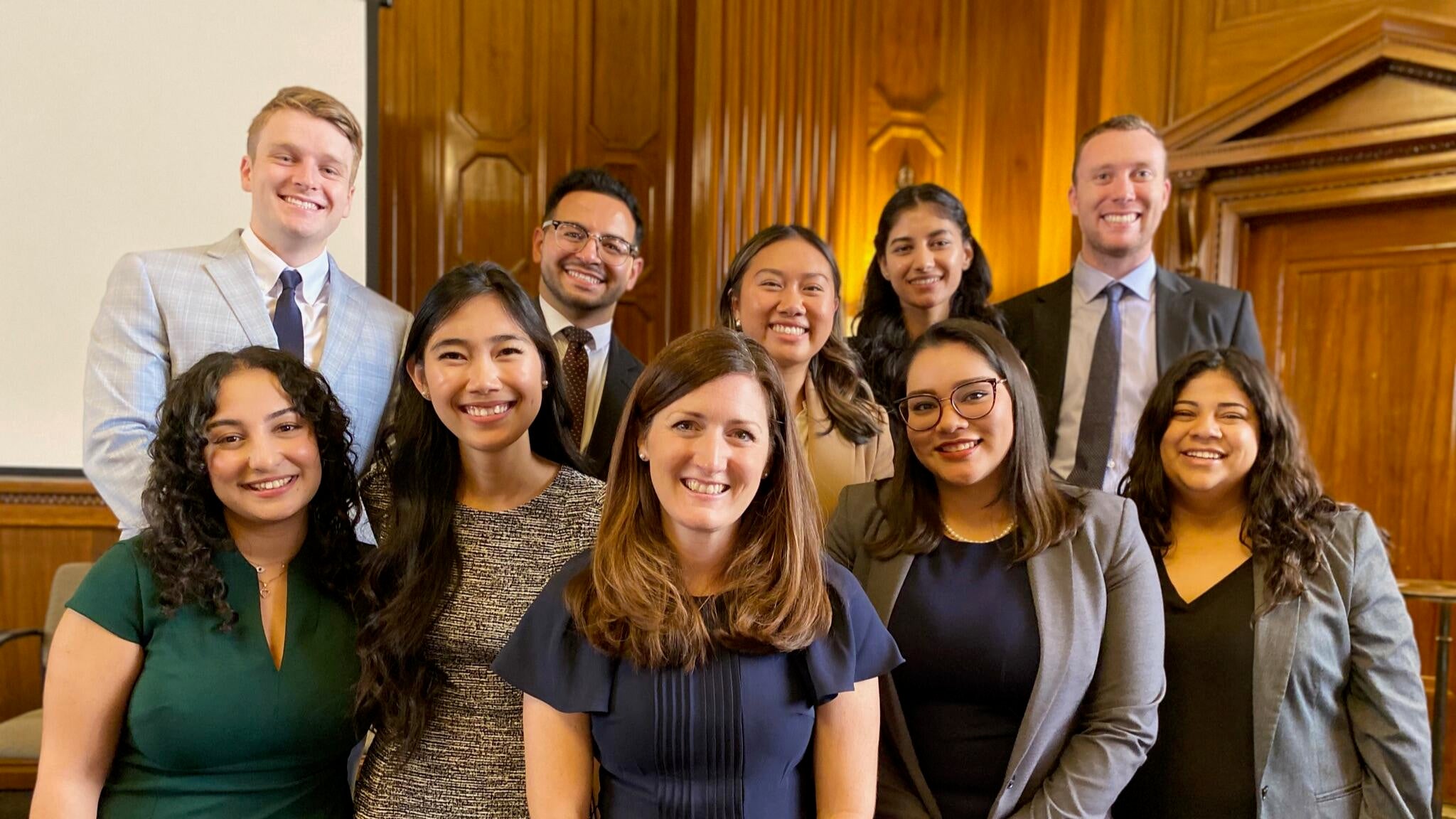
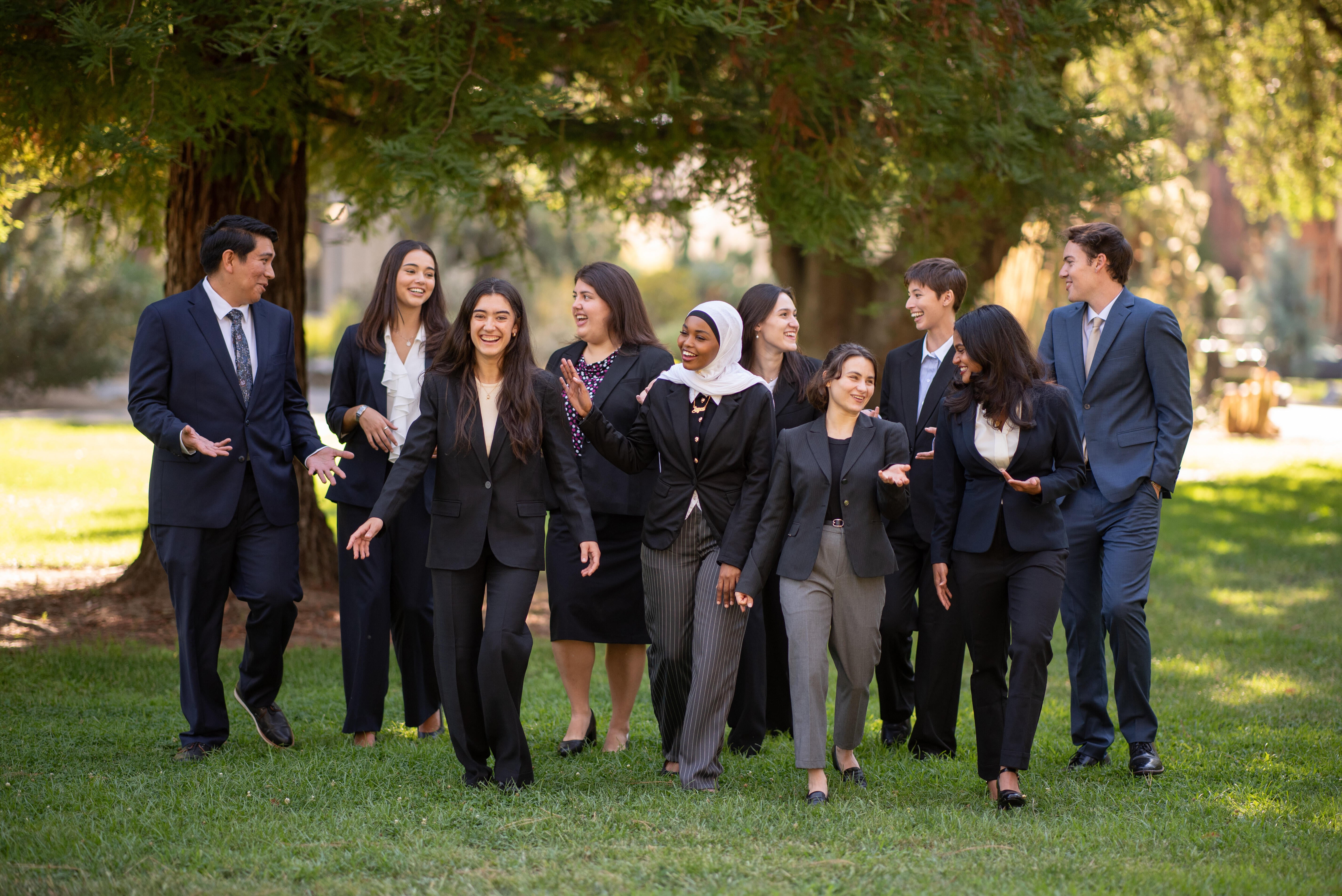
A Few Good Fellows
Mihini Jayasinghe is not an attorney, but she is supporting the development and implementation of a self-service chatbot that will help litigants without attorneys better navigate the court process.
Jayasinghe is a Judicial Fellow at the Orange Superior Court, where her fellowship project goals are to streamline the self-help staff workload, shorten in-person wait times, and expand access to procedural guidance for self-represented litigants.
Jayasinghe’s experience on this project is just one example of how the statewide Judicial Fellowship Program is making a difference and improving access to justice in California.
What is the Judicial Fellowship Program?
The Judicial Fellowship is a 10-month graduate-level program that offers participants a unique opportunity to work in court administration and learn about California’s judicial branch.
It is part of the nationally recognized Capital Fellows Programs, which also has fellowships in the other branches of state government. Participants are placed in either Judicial Council staff offices or executive offices at superior courts around the state. Upon completion of the program, participants receive a graduate certificate in Applied Policy and Government through Sacramento State.
Unique Post-Graduate Opportunity
Interest in the Judicial Fellowship Program has grown dramatically. The first Judicial Fellowship cohort (1997-98) had five fellows, then expanded to ten soon after. Over the past two application cycles, there has been a near 100% year-over-year increase in applications, making the program highly attractive to potential participants.
The increased interest in the program could be tied to its unique subject matter and work experience compared to other entry-level positions. “There is a real specialty in serving as a Judicial Fellow because of the work experience exposure combined with the educational component,” according to Megan Thorall, the director of the program. “As far as I know, we’re the only program of our kind in the nation.”
Sidney Sheets, a fellow with the Judicial Council’s Office of Governmental Affairs, described her surprise at the breadth of exposure and variety of work she’s done.
“I’ve just learned so much about the legislative process, how it impacts the courts and the public,” said Sheets. “I really feel like I’ve gotten a bird’s eye view and a foundational understanding of California government as a whole.”
Program Support
One feature that sets the program apart is its strong support network. Participants have a program director and a mentor in their placement office providing support throughout the year.
Giovana De Loia, a fellow with the Placer Superior Court, describes the mentorship as her favorite component. “I meet with [court executive officer] Jake [Chatters] every week and I probably talk to him every single day about whatever I'm doing,” said De Loia. “He's always there for any questions that I have. And with Megan, the program director, it's kind of like having two mentors who are also your bosses, which is not typical for a regular entry-level job.”
Jayasinghe appreciates the guidance and welcome she’s received from the Orange Superior Court. “From the very beginning, I have just received an unbelievable amount of support from everyone within the court,” said Jayasinghe. “All the different departments and the different teams that I work with are just incredibly friendly and supportive, and really willing to show me the ropes and share their knowledge,” she said.
Academic and Field Seminars
A key aspect of the program is the academic seminar, where fellows learn about the history and fundamentals of court administration and contemporary issues facing the judiciary. "The academic seminar material often ties into what’s happening at the courthouse,” said De Loia. “It’s nice to see the theoretical turning into the practical.” The seminar is taught by the programs academic advisor, Court Executive Officer Sharif Elmallah.
In addition to the academic component, fellows participate in monthly field seminars where they visit different superior courts across the state and learn about various programs and policy areas. Recent field seminars included a visit to the Butte Superior Court to learn about juvenile justice and a visit to the Orange Superior Court to learn about technological innovations being developed there.
The seminars allow fellows to understand issues affecting the branch from multiple perspectives. “There’s something really satisfying about getting to see things in your placement, reading about them in class, and then hearing about them in the field seminar,” said Hailee Pitschke, a fellow placed with the Los Angeles Superior Court.
Fellowship Projects Improve Access to Justice
The fellowship culminates in a fellowship project that participants spend much of the year developing.
During the field seminar to the Butte Superior Court, fellows heard about a number of different fellowship projects completed in recent years, including procuring and installing a jury check-in kiosk, and fully producing a self-help video guide for the public. These tangible improvements fellows have created, installed, or implemented continue to help serve the public as lasting proof of their work towards improving access to justice.
Beyond the work product fellows leave behind, Program Director Thorall notes that fellows leave other benefits too, with each class leaving a real impression on the mentors and the court. “They're all very special each in their own way, and I think that you need that in a professional space,” she said. “It’s such a privilege to have the fellows because [they] really give a lot of joy and a lot of ideas.”
“The camaraderie amongst all of the Judicial Fellows is something that really stands out to me,” said Jayasinghe. “It’s incredible to be in the same space as like-minded individuals who are incredibly passionate about public service. I don't think there's ever a dull moment in the academic and field seminar because of the fellows. It's something that I'm very grateful for and I will never forget about this experience.”
Career Possibilities
The program has also influenced what fellows hope to pursue in the future. Just like many former fellows have stayed in the judicial branch or in public service, several current fellows also expressed a desire to remain in the branch beyond their fellowship and continue working to improve access to justice for the public.
Christian Mendoza, placed in the Judicial Council’s Policy and Research office, shared how the experience has shaped his goals. “It solidified my passion for really wanting to stay in public service,” said Mendoza. “I always wanted to be able to give back to my community and uplift individuals that have grown up in similar circumstances to me or my family. The branch's message of providing equal access to justice is something that resonates deeply within me and I can see that I'm making some sort of impact.”
Images