Judicial Council Approves Updated Parameters to Assess Judicial Workload and Need
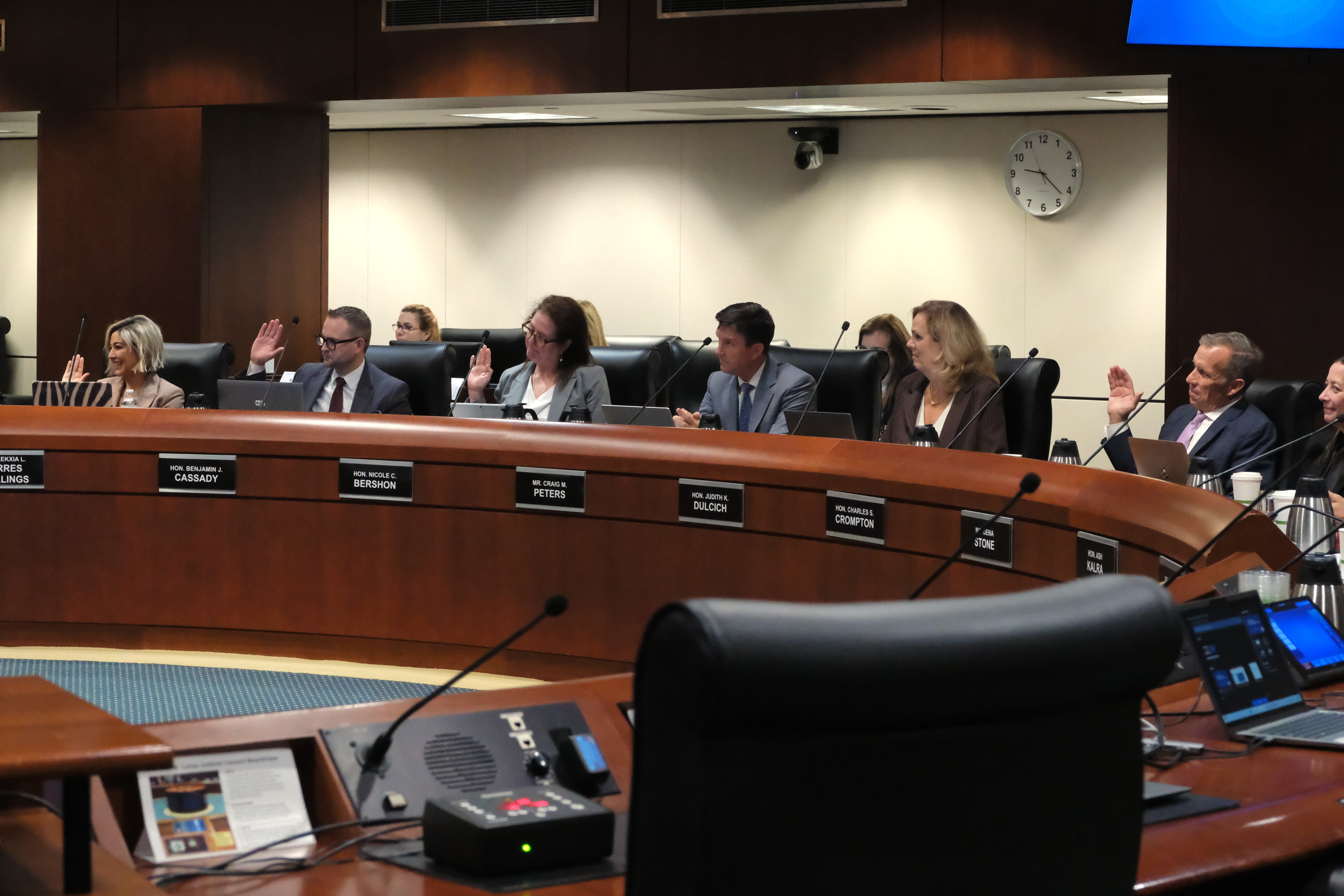
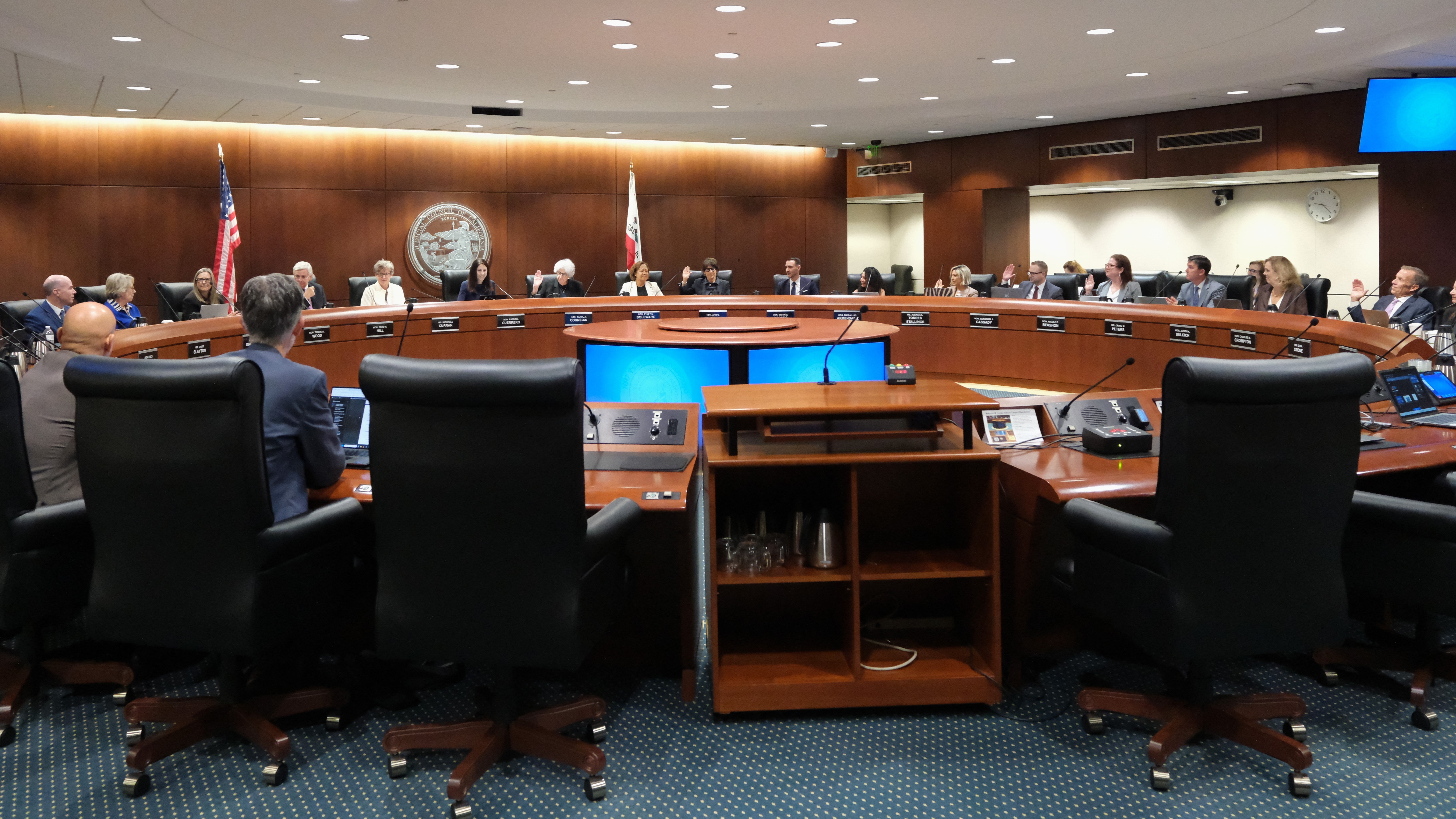
SAN FRANCISCO- The Judicial Council at its Oct. 16 business meeting adopted updated parameters to help assess judicial need in trial courts.
As part of the 2026 Judicial Workload Study, the updated parameters adjust the judicial work year, the judicial workday value, and caseweights—the amount of judicial time certain types of cases require. The parameters are periodically updated to accurately reflect judicial workload, which can change over time due to new laws, technology, or case-processing practices that may affect how much time it takes to process each court filing.
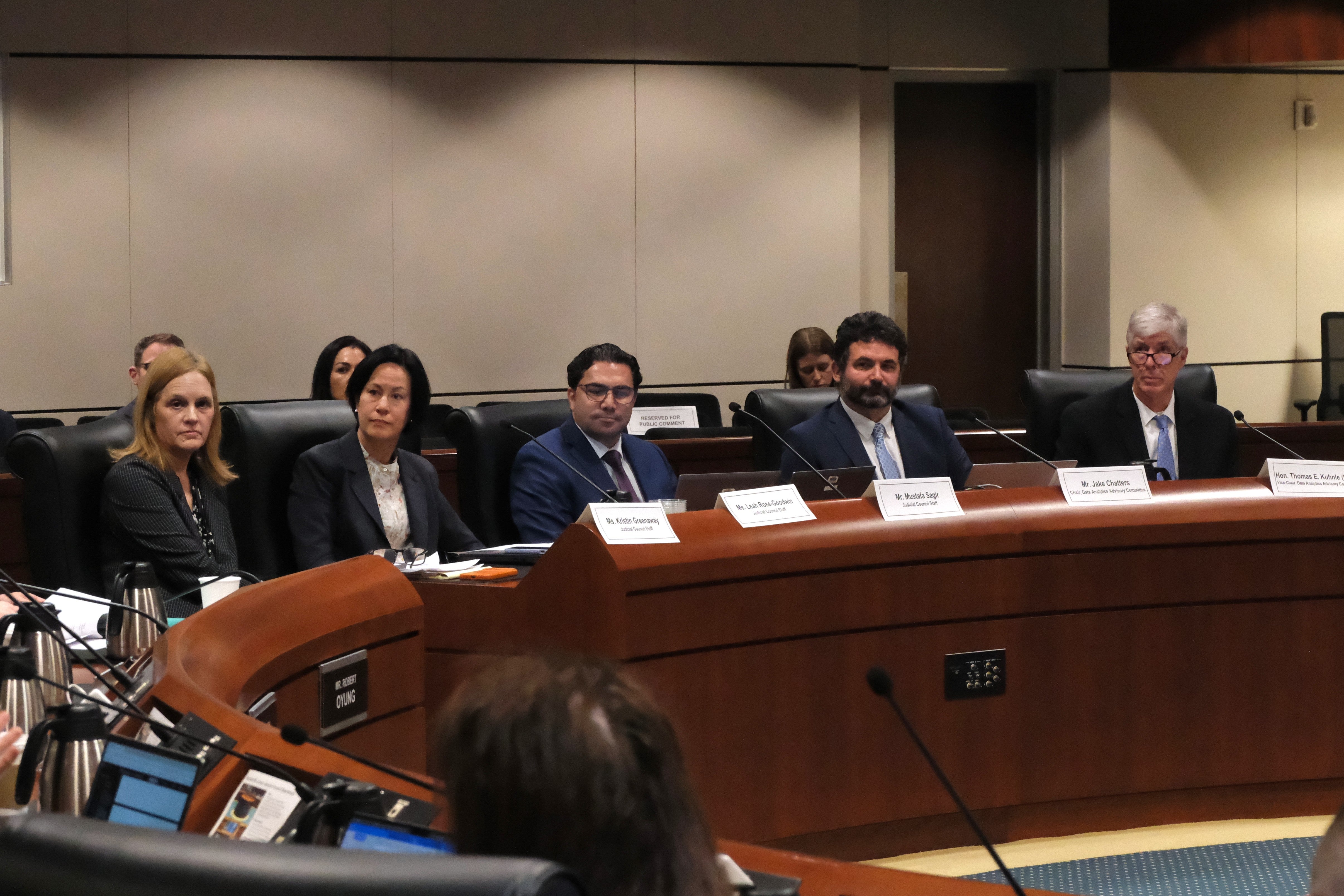
“The Judicial Workload Study rests on the participation of more than 1,200 judicial officers and 18 courts who recorded their time for 4 weeks during a very busy period in the courts,” said retired Judge Thomas E. Kuhnle, vice chair of the council’s Data Analytics Advisory Committee. “The study had a 98% participation rate. The result is the most comprehensive picture of judicial workload this branch has ever had.”
The council approved the proposed workload study with one amendment—raising the updated judicial workday value to 431 minutes of case-related time per working day.
The council also approved the use of the 2026 Judicial Workload Study as the basis to allocate 13 judgeships that have been funded in the governor’s budget over the next five years.
Other Items on the Council Meeting Agenda:
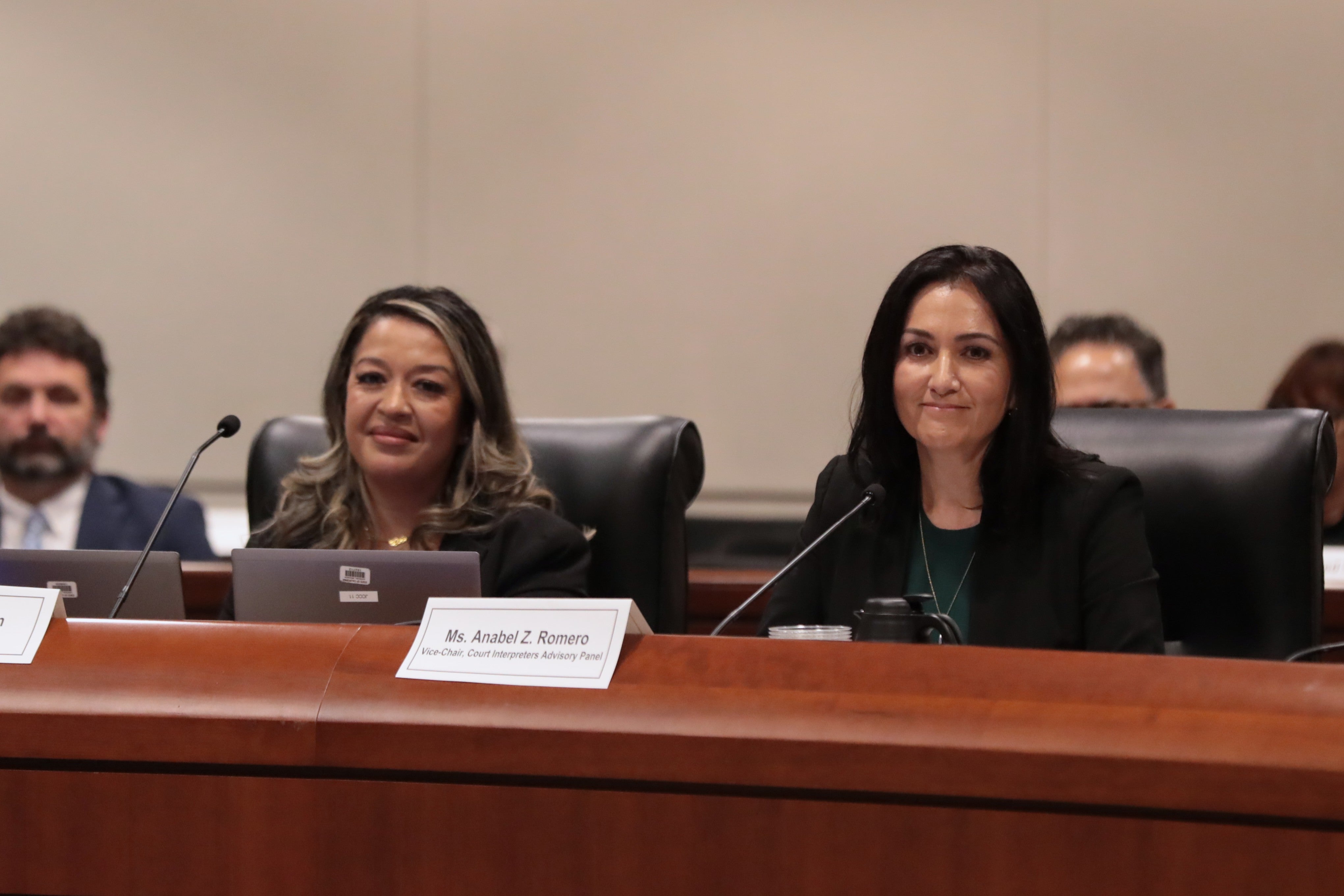
Certification Changes for Court Interpreters: The council approved changes to the California court interpreter certification requirements, including an orientation, an additional screening exam, and allowing candidates to carry over passing scores on individual sections of an exam for up to two years. These changes are recommended to improve candidate success and expand the pool of qualified court interpreters.
New Policies for Independent Contractor Interpreters: The council approved raising the maximum daily compensation rate for independent contractor interpreters. The council raised the daily compensation rates to the federal levels to address increased interpreter costs while ensuring compliance with the statutory limit that rates not exceed those paid to federally certified court interpreters. The council also approved a new statewide framework to ensure all courts use the same contract terms for contract interpreter services. The framework includes standardized nonnegotiable rates, travel compensation, contractual obligations, and administrative procedures to be used by all courts. The policy also promotes the use of remote video interpreting when appropriate.
Pilot Program for American Sign Language Interpreters: The council authorized a pilot program to evaluate the limited use of qualified American Sign Language (ASL) Generalist Interpreters, credentialed interpreters who are not currently certified as ASL court interpreters. Six to 10 volunteer courts will participate in the program, which includes safeguards such as using these generalist interpreters for only non-complex, non-evidentiary hearings and requiring training, as well as specific testing and ethics requirements. Participating courts and council staff will closely monitor the program and user experiences. The program will also provide ASL generalist interpreters with a pathway towards certification, supporting the development of a qualified ASL court interpreter workforce that can meet the demand of the fourth-most requested language in California courts.
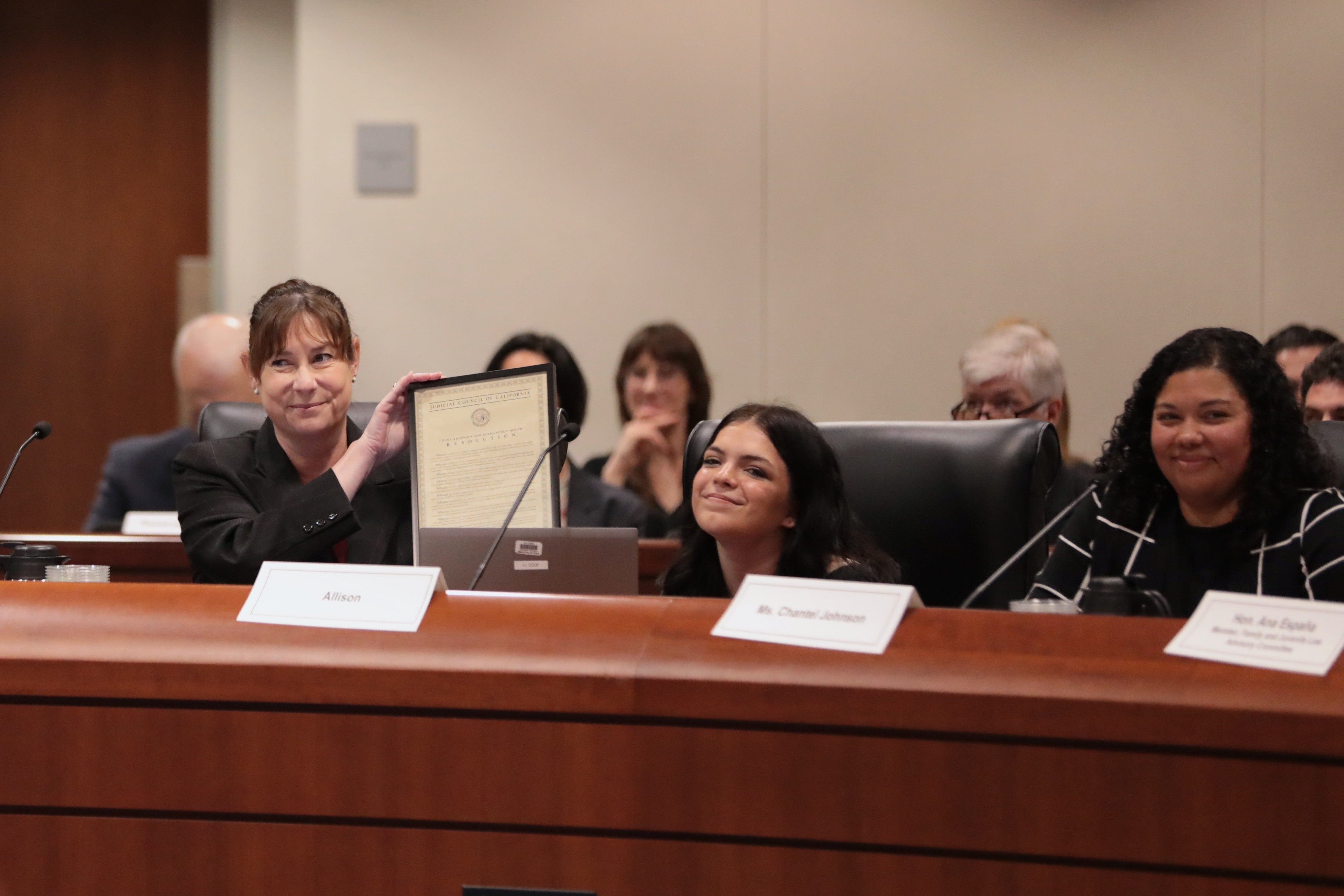
Court Adoption and Permanency Month Proposal: The council proclaimed November 2026 to be Adoption and Permanency Month, with a special focus on the work of juvenile courts to support guardianship. When reunification or adoption is not possible, guardianships provide a pathway to a safe, permanent placement for children. In 2025, approximately 10% of children who exited foster care were through a legal guardianship. The council heard a presentation from a guardian about the legal recognition and essential resources guardianship provided for their family.
Grant Funding for Court Appointed Special Advocates: The council approved the allocation of $19.9 million in grant funding for the California Court Appointed Special Advocate (CASA) Association. The council provided $16 million in funding, to be distributed equitably between the state’s 45 local CASA programs, to expand capacity, recruitment, and training of volunteers to advocate for children under the jurisdiction of a juvenile court. Another $3.9 million was provided to be used statewide for recruitment initiatives, developing a training curriculum, and collecting data on program implementation and outcomes.
The complete meeting agenda and council reports are posted to the California Courts Meeting Information Center and an archived webcast of today’s meeting will be posted to the center as soon as it is available.
Images