
From Guardianship to Family: Chantel and Allison’s Story
Two special guests—Chantel Johnson and her daughter Allison—joined the Oct. 16 Judicial Council business meeting to share their personal journey with guardianship and how it helped create a permanent, stable home for a child in foster care.
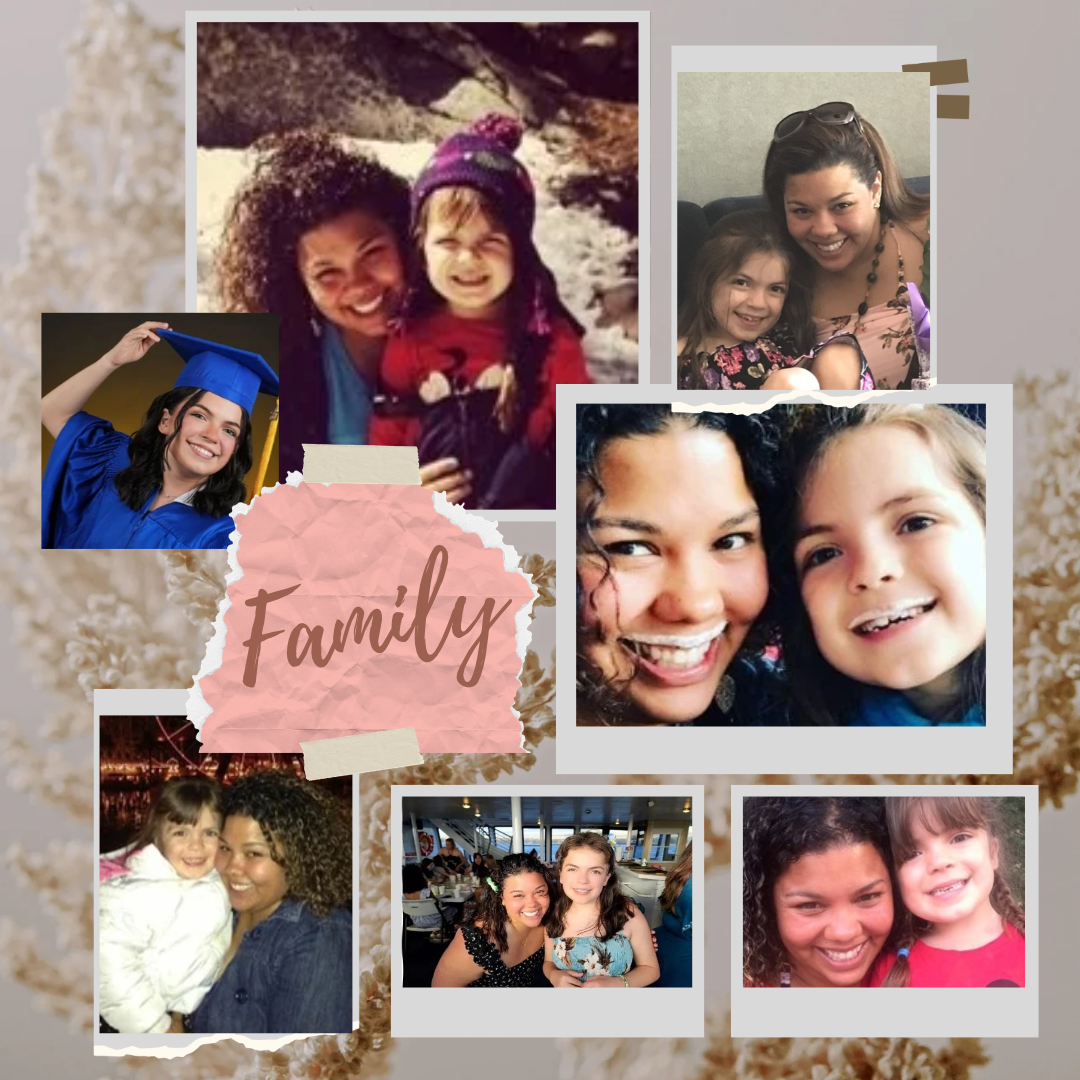
Chantel Johnson and Allison’s Journey to a Forever Family

Allison entered foster care as an infant due to neglect. Despite efforts to support the family and keep Allison in her parents' care, the court ultimately placed her in foster care for her own safety.
At 11 months old, Allison started living in a foster home in San Mateo County until her paternal aunt, Chantel Johnson, stepped forward to care for her. At the time, Chantel was a 22-year-old graduate student living with roommates, but she knew it was important for Allison to be surrounded by family members who loved her and would advocate for her.
A Courageous Decision Changes Two Lives
“She was a toddler when I received a call asking if I could first care for her following an emergency in the foster care home,” Chantel told council members. “When people hear that I said ‘yes’, they sometimes imagine a moment of uncertainty. But I did know one thing for certain: Allison was my family, and I wanted her with me.”

As someone who had spent time in the foster care system herself, Chantel admitted that the prospect of caring for a child seemed daunting. “I was also afraid—I had not planned to become a parent,” she shared. “I wondered whether I knew enough, earned enough, or was prepared to give a young child everything she needed as a young, single adult. At 22, I could barely picture the rest of my own life. Now I was asked to consider a commitment that could last the rest of hers.”
The legal guardianship process offered practical support. Chantel was financially stretched and relied on childcare assistance so she could continue working while completing her education. Remaining in guardianship ensured that support continued.
“Guardianship also gave our relationship legal recognition and gave me the authority to sign documents and make decisions; and it brought greater predictability and less involvement from the child welfare system in our daily lives,” Chantel added.
Chantel also accessed services through a regional center and a foster family agency specializing in support for relative caregivers.
Although Allison was never able to reunite with her biological parents, Chantel provided her with a stable and nurturing home. Today, Allison is a thriving teenager who is looking forward to graduating from high school this year.
Guardianship as a Path to Permanency
Guardianship continues to be an important path to permanency for children and youth in foster care, particularly when they are placed with relatives. In 2025, approximately 10% of children and youth who exited foster care achieved permanency through guardianship, with nearly half entering Kin-GAP guardianships with relative caregivers.
“Leveraging guardianship to keep youth connected to their families supports our continued kin-first efforts, and provides a pathway to safe, permanent placement for youth and children when reunification or adoption is not possible,” said Judge Ana España on behalf of the council’s Family and Juvenile Law Advisory Committee, who presented the annual Court Adoption and Permanency Month resolution and accompanying council report at the business meeting.
Research also shows that children placed with relatives or extended family members are more likely to experience stable placements and fewer moves while in care, helping them build lasting connections and achieve permanency more quickly.
Watch the Court Adoption and Permanency Month presentation at the Oct. 16 council meeting:
Judicial Council's Ongoing Support for Adoption and Permanency for California’s Youth
The council first declared November to be Court Adoption and Permanency Month in California in 1999. Since that first observance, the council has demonstrated its commitment to support the juvenile courts and their local justice partners by promoting procedures and collaborative practices that lead to timely case resolution and permanency for children and youth in foster care. Permanency is a child’s exit from foster care and safe return to the family home (reunification), adoption, or legal guardianship.
Learn more about 2026 Court Adoption and Permanency Month.
Images