
Courts Using AI and Cybersecurity Advances to Improve Access to Justice
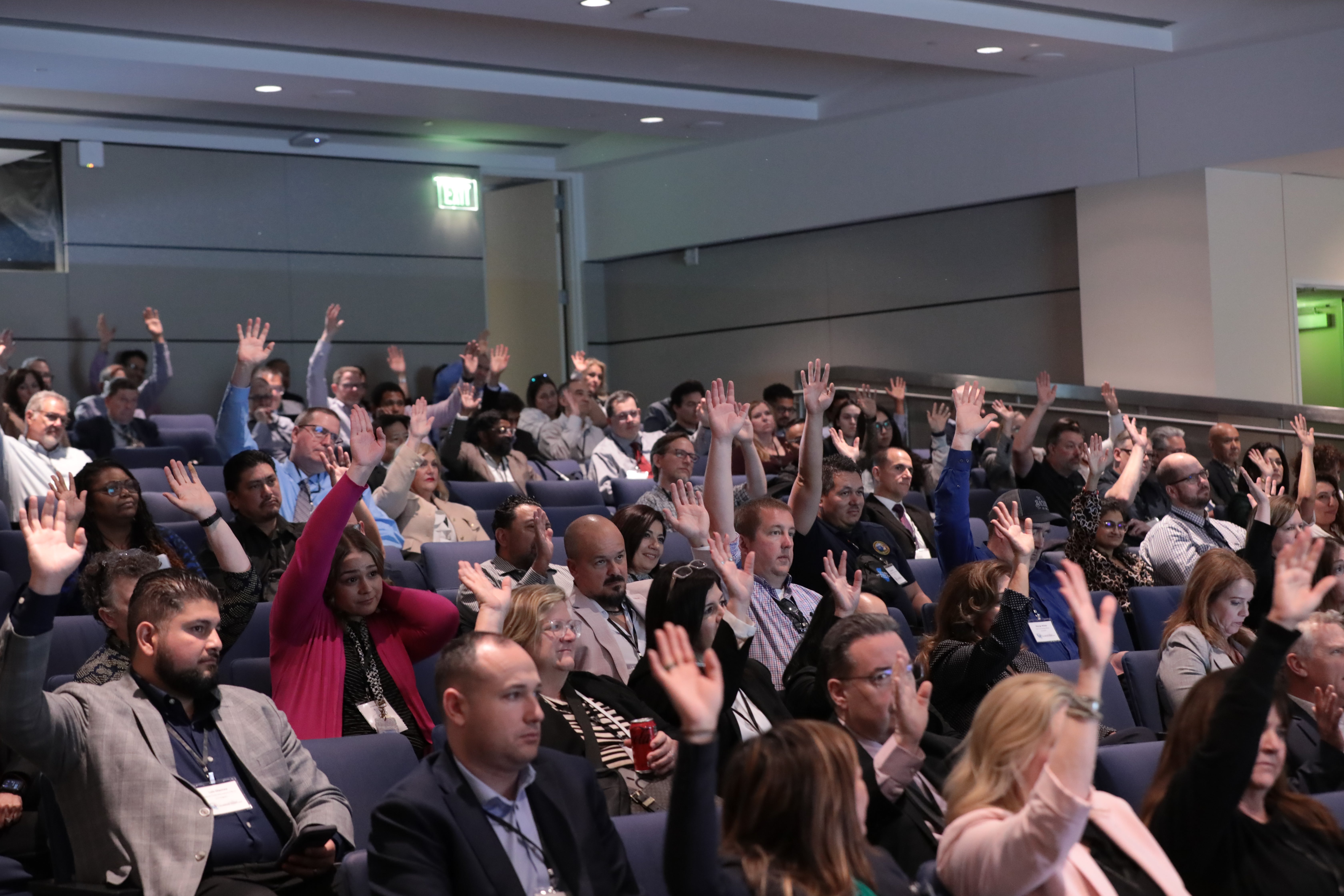
SAN FRANCISCO—A recent statewide technology summit convened hundreds of court professionals from around the state to talk about cybersecurity and how using artificial intelligence (AI) data can improve efficiency and benefit court users.
The March 11 summit in San Francisco was the fifth of its kind hosted by the Judicial Council to bring courts together to share information and best practices on new technologies.
How Advances in Artificial Intelligence Can Benefit Court Users
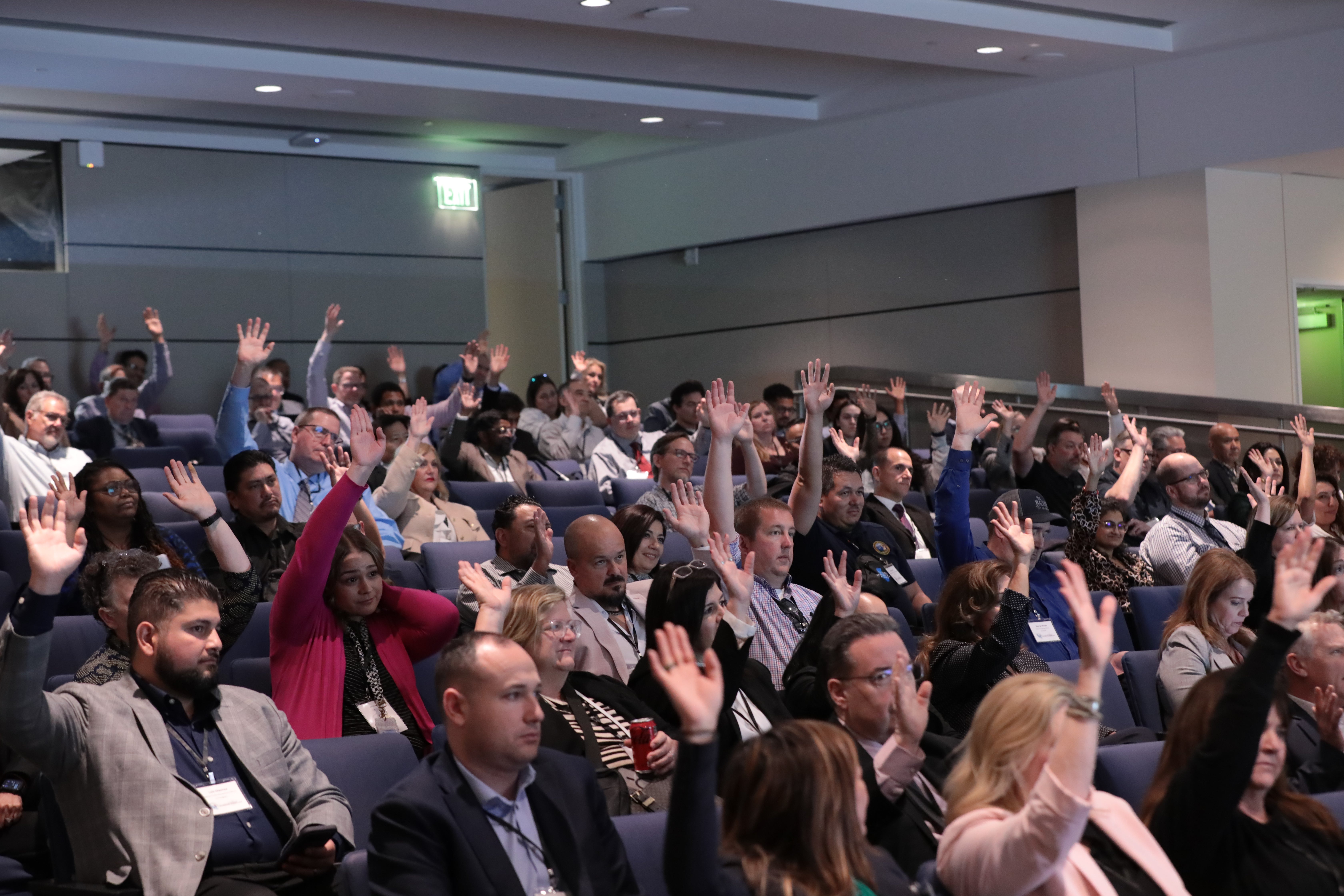 Leaders from courts in San Diego, Orange, and Monterey counties led breakout sessions with topics ranging from understanding how AI can assist with translation and document workflows to discussions about maintaining guardrails to protect user data.
In one breakout room, Judge Michael S. Groch from the San Diego Superior Court and Court Information Officer Brett Howard of the Orange Superior Court educated judicial officers and court executives on the use of AI. That session included an overview of Thomson Reuters CoCounsel, which can be used to improve judicial workflow, as well as demonstrated examples of what types of court work are safe to use with current generative AI technology.
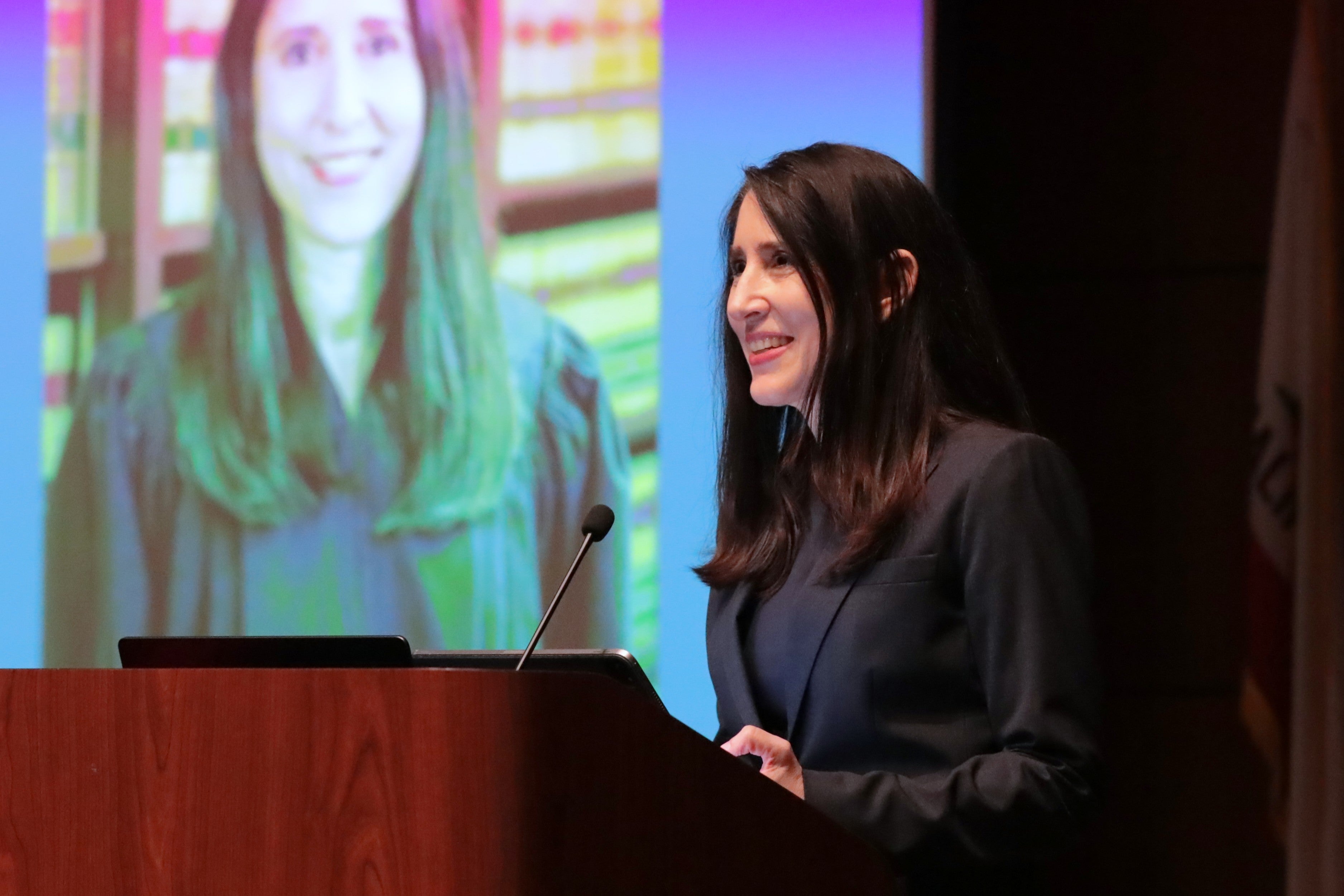
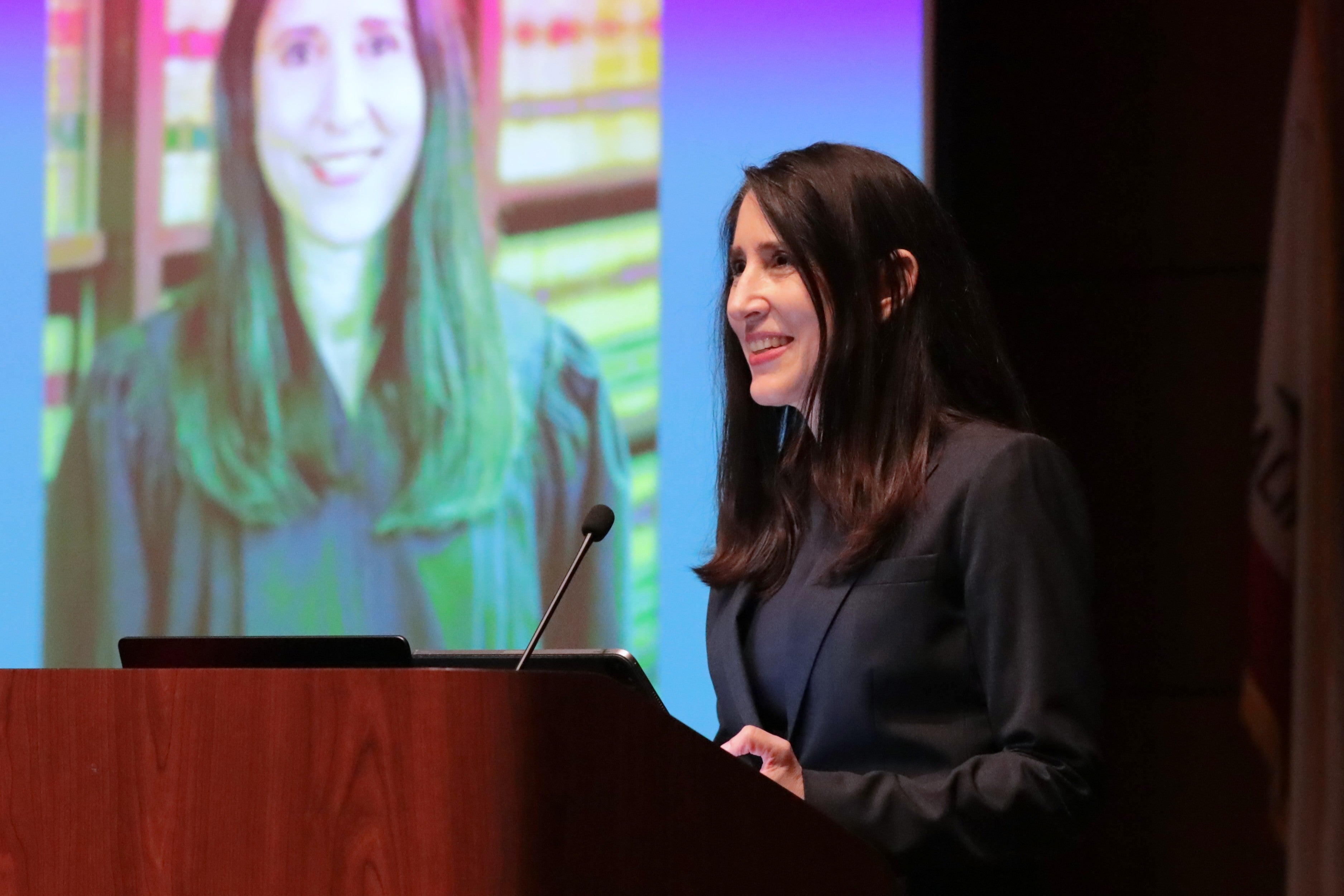 In her remarks to summit participants, California Chief Justice Patricia Guerrero acknowledged that AI can benefit court users. “Whatever new needs and opportunities will arise, I’m confident we will remain committed to innovation, to collaboration, and to aligning technology with our judicial branch goals,” she said, emphasizing the importance of collaboration throughout the constantly evolving landscape of technology.
“And with all of you together, we will continue to shape the future for the courts, ensuring that technology serves as a bridge to justice.”
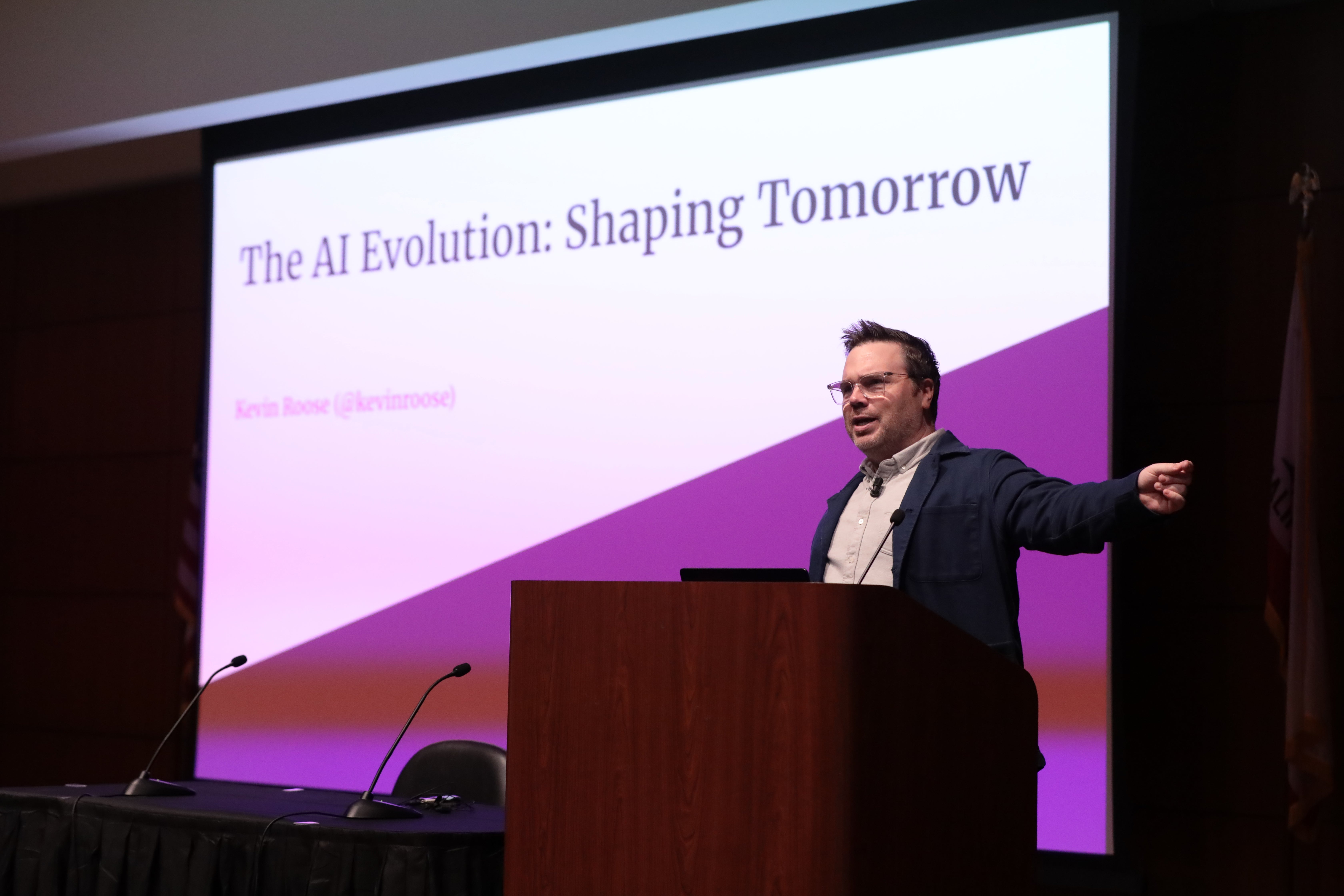
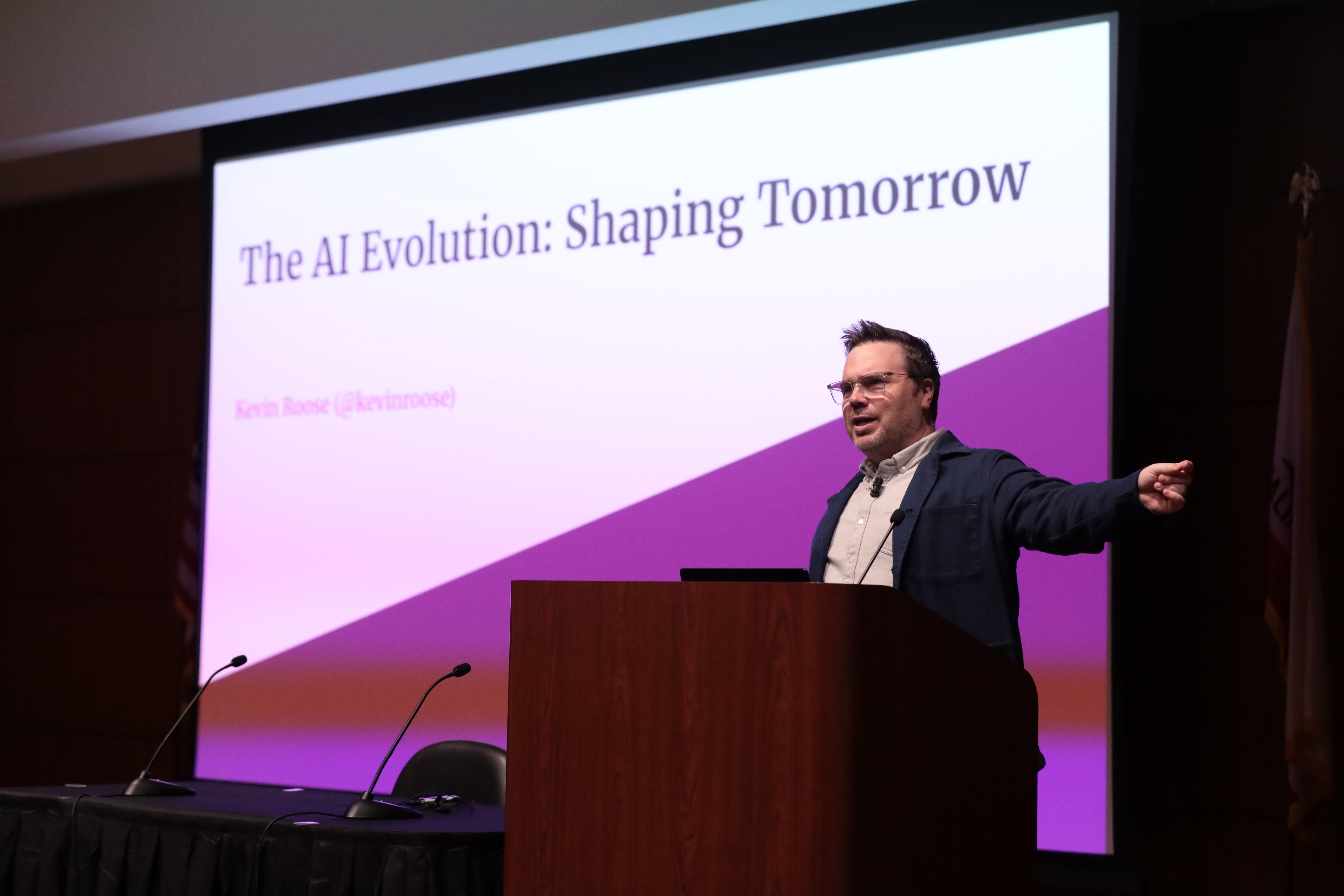 Midnote speaker, Kevin Roose, Technology Columnist for The New York Times, invited attendees to look ahead as he highlighted the rapid acceleration of AI, noting that emerging tools are making “everyone a programmer.” He also considered what comes next after Artificial Generative Intelligence (AGI), including AI constitutions, defining intent for AI agents, and navigating a future with vast numbers of highly capable machine intelligences.
Cybersecurity and the Courts
A second set of breakout sessions focused on the growing need for cybersecurity enhancements in court operations. Speakers from Orange, Mono, and Riverside counties, as well as the Fifth Appellate District, emphasized preemptive measures and preparation as key factors in bolstering cybersecurity to protect court users.
For example, Mono Superior Court Executive Officer Lester Perpall and Riverside Superior Court Deputy Chief of Information Technology Tim Cool spoke to fellow court staff about the importance of diligence and follow-through to improving cybersecurity in the courts. “Failures don’t happen because we don’t care,” Perpall warned. “Most failures happen because we confuse appearance with execution.”
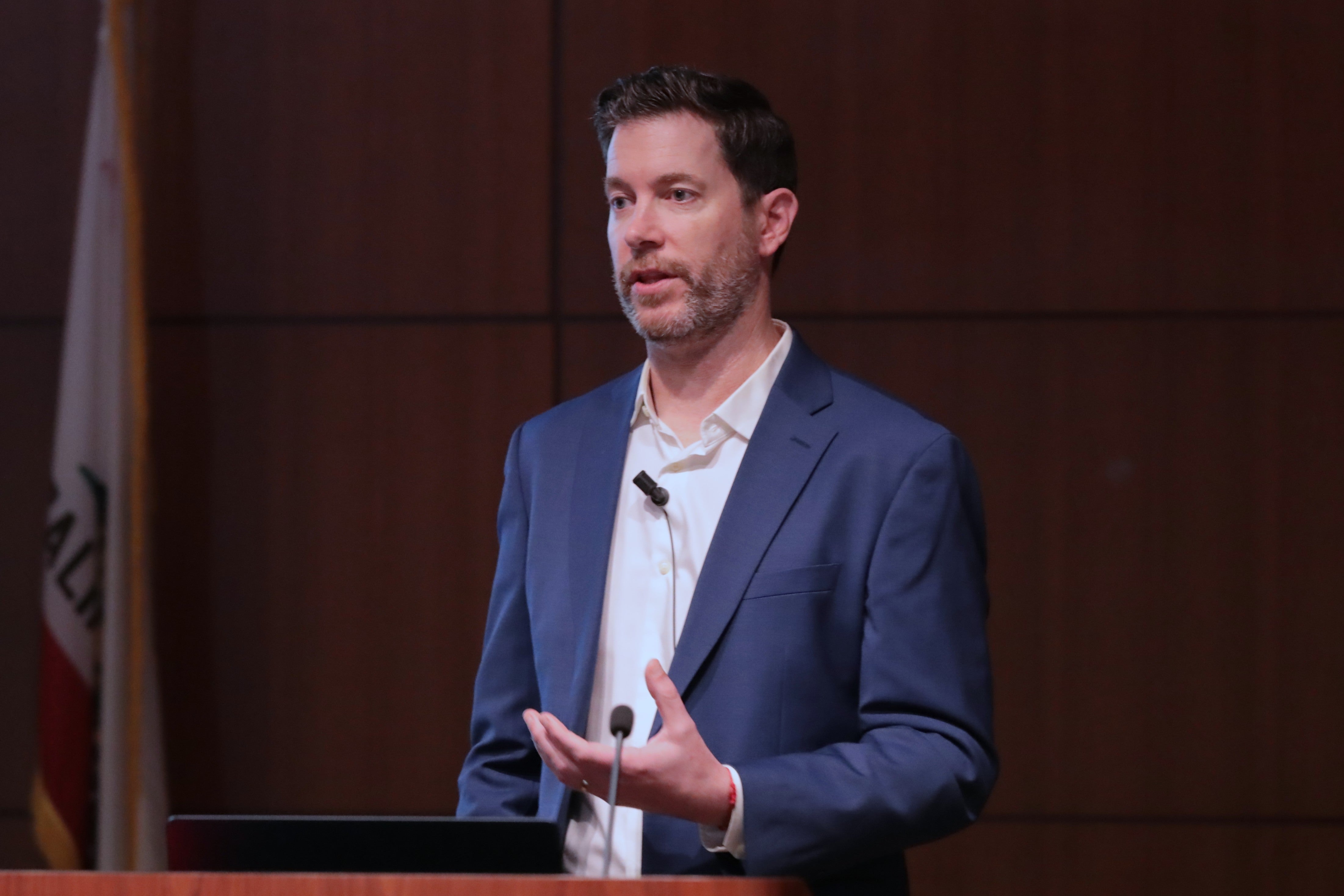
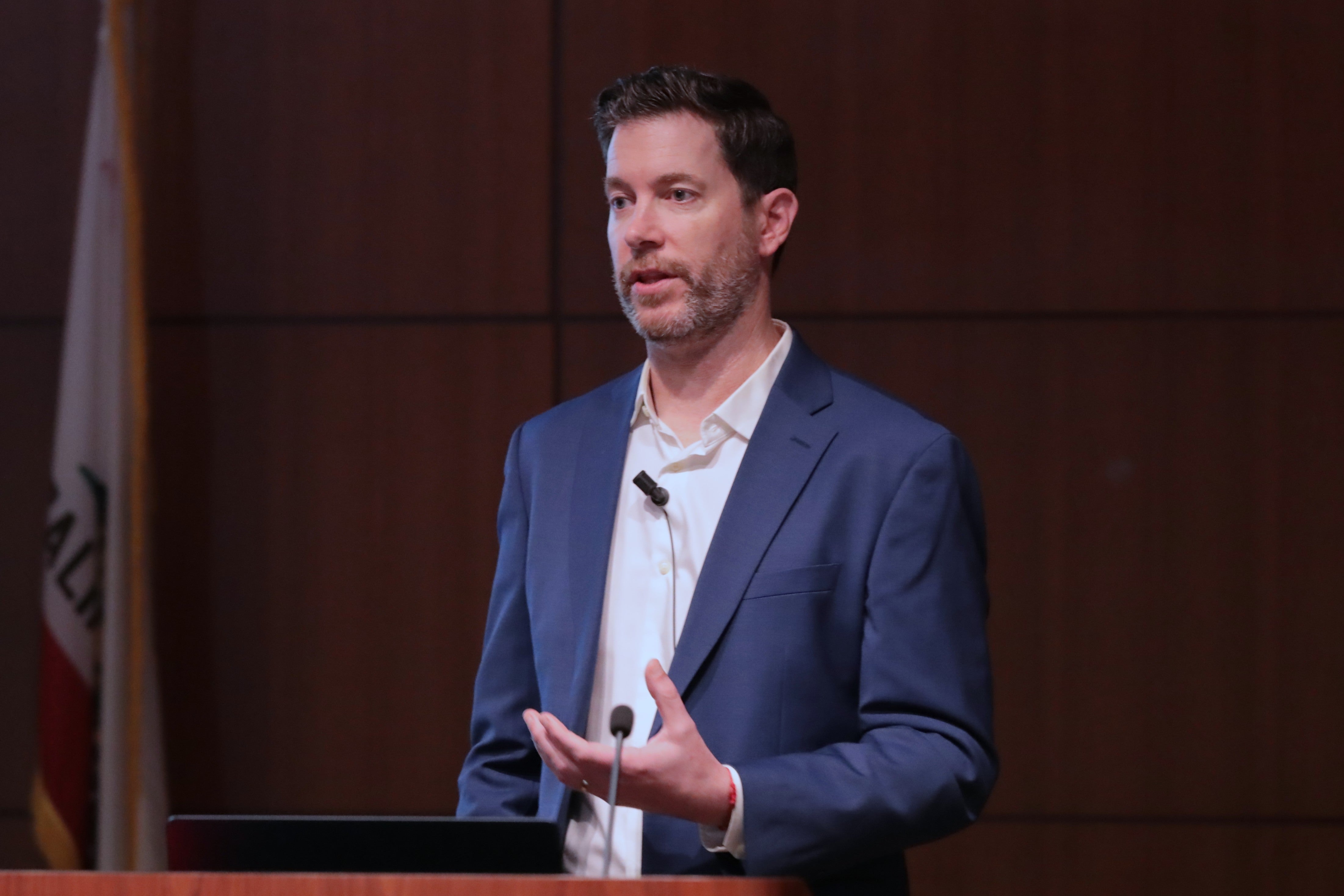 In addition, Adam Dodge, attorney and founder of EndTAB (End Technology-Enabled Abuse), served as the keynote speaker of the event. He warned that new technology is actively being used internationally to defraud others in real time.
“We’re putting really powerful tools in the hands of people who could never access this level of sophistication before,” he stated as he demonstrated how AI deepfakes can be used to create increasingly realistic scams using technology that is evolving every day.
Retired California Supreme Court Justice Recognizes Technology Pioneers
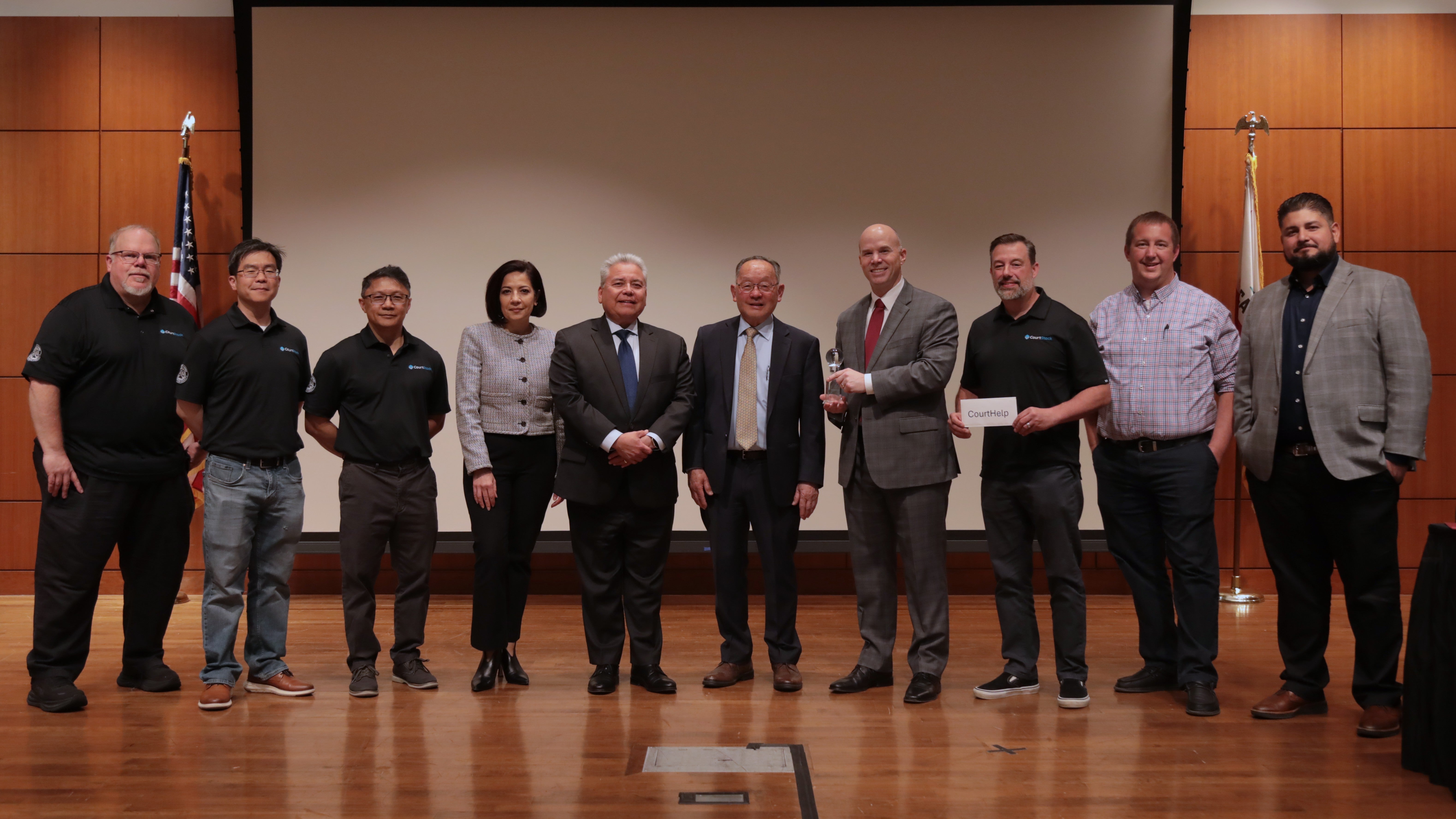
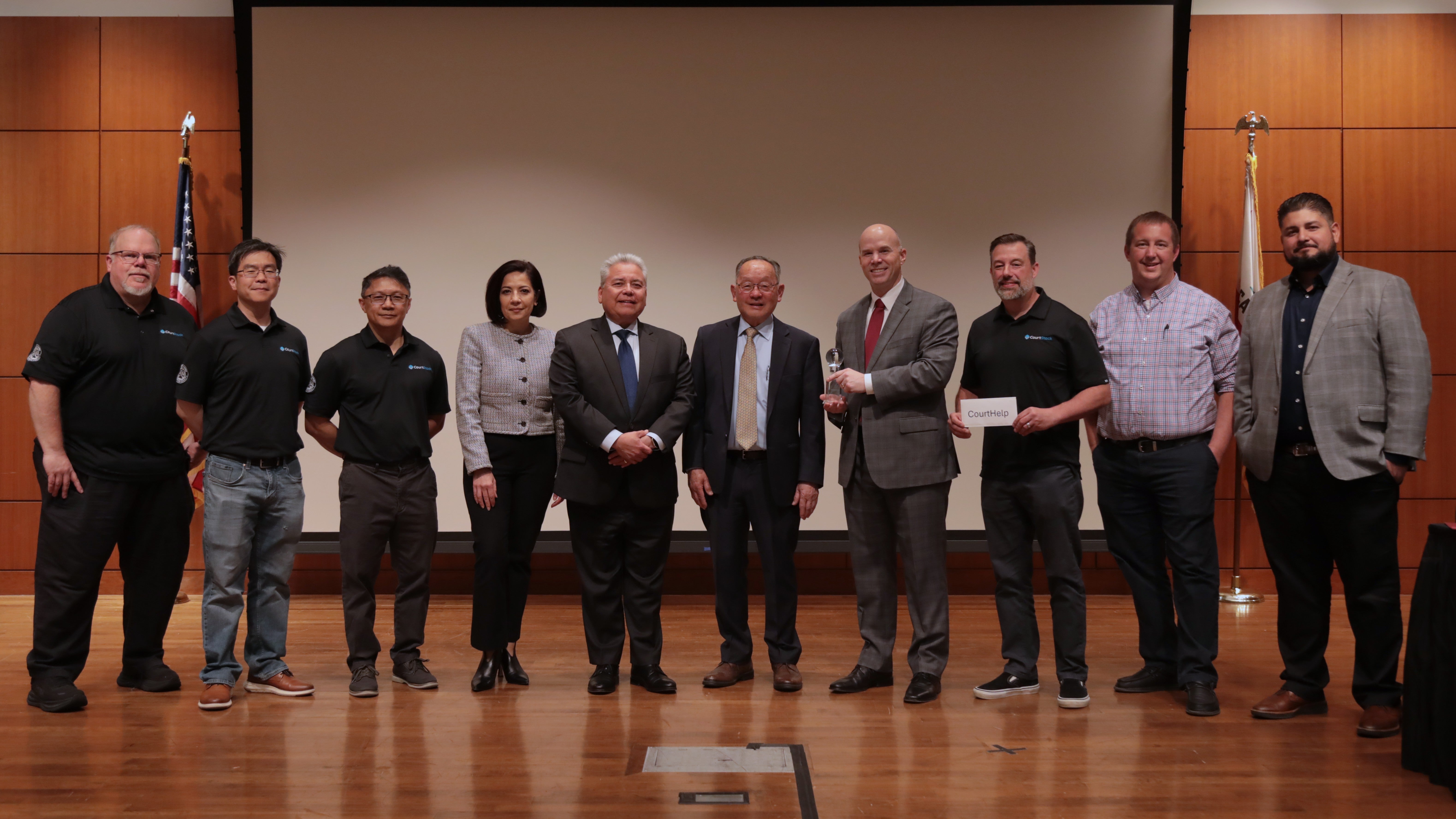
Former California Supreme Court Justice Ming Chin presented the 2026 Justice Chin Technology Innovation Award to the Los Angeles Superior Court for its CourtHelp program, an AI-powered chatbot that helps web users navigate their court’s website.
The award recognizes programs and projects that have increased access to justice through new technology. This is the second award of its kind, with the first one given to Alameda Superior Court at the 2023 Technology Summit.
“It gives me great relief to find all of you still interested and progressing in the area of IT,” Justice Chin remarked as he closed the ceremony. “I encourage you to continue to do that, take it back to your courts, get more people involved and interested in IT.”
Images