The CARE Act: Behind the Numbers with San Joaquin County Judge Jayne Lee
CARE court is a non-criminal process that authorizes certain people—such as family members or first responders—to petition a civil court for treatment and services for eligible individuals with mental illness. The following is the first of three articles exploring the perspectives of CARE court judges across California.
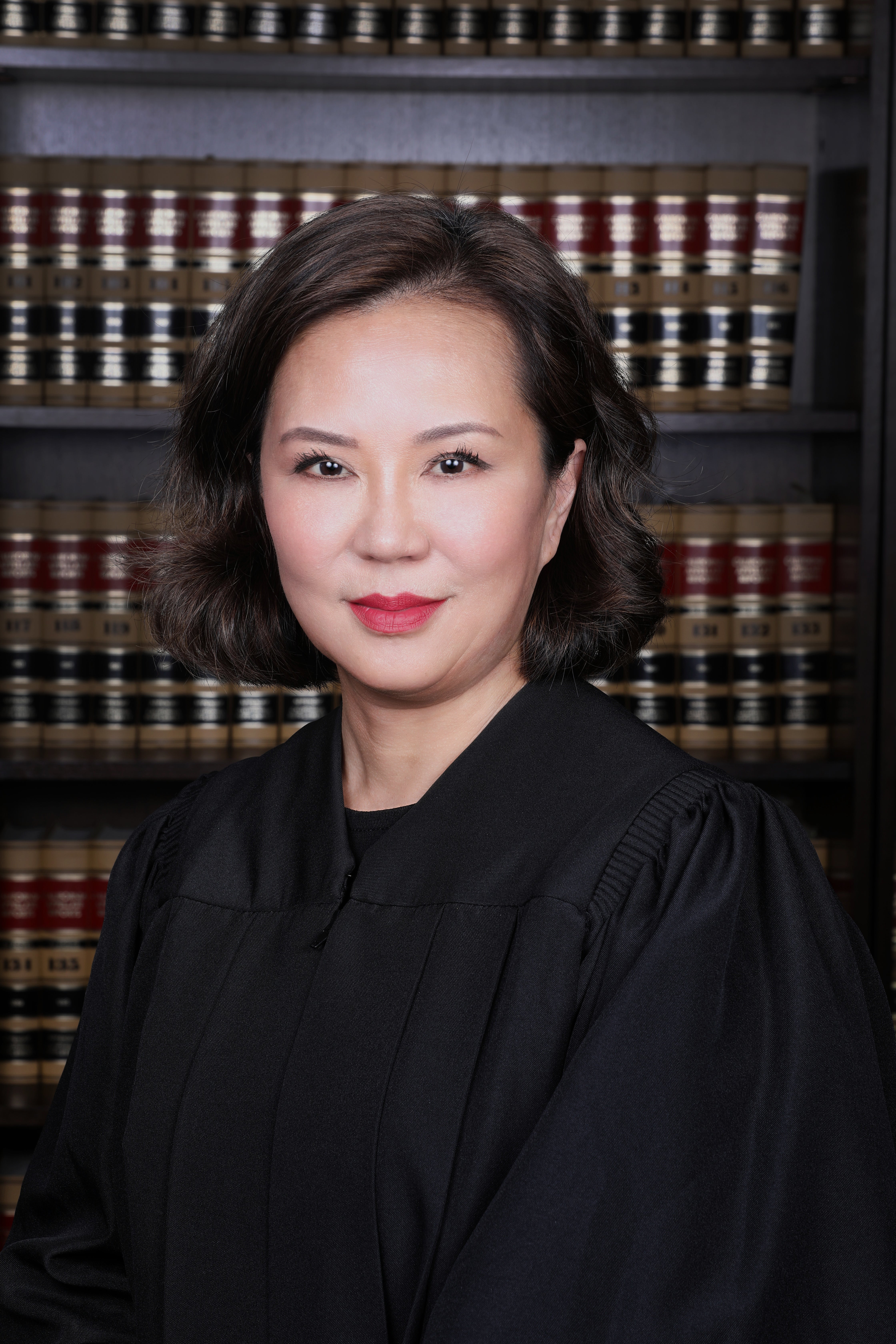
Passed by the California legislature in 2022, the Community Assistance, Recovery, and Empowerment (CARE) Act creates civil court proceedings, also known as CARE court, that can provide support for certain adults with severe mental illnesses. In San Joaquin County, Judge Jayne Lee finds that human connection and patience are key tools in the success of CARE court.
“Once someone’s engaged, the results have been amazing,” Judge Lee said. She’s presided over almost all the petitions filed in San Joaquin County’s CARE court since it was first implemented there in December 2024.
How CARE Court Works
The process begins when an adult files a CARE petition with a civil court. Eligible petitioners include roommates, behavioral health professionals, certain relatives, or first responders. The petition asks the court to determine if an adult with schizophrenia or another psychotic disorder, or bipolar I with psychotic features, is eligible for a CARE agreement or plan. That person is called the respondent.
Once a petition is filed, the court must determine whether the respondent meets the eligibility criteria and whether a CARE agreement or plan would be the best option. Sometimes, a respondent may not meet the clinical criteria needed for a CARE agreement. Other times, collaborative courts — or courts that can order specific rehabilitation services, like veterans’ court, drug court, or mental health court — may provide more appropriate care.
“The CARE Act was designed as an upstream intervention to help people before they’re placed in a more restrictive situation, like LPS conservatorship or jail,” Judge Lee explains. For eligible respondents, the court supervises the treatment, housing, or other behavioral health services they may receive through the county. As a voluntary program, CARE agreements can help respondents recover and stabilize with autonomy. If a respondent is not able to enter into a voluntary CARE agreement, the court may order a CARE plan, which includes the same general elements and does not involve forced medication or custodial settings like jail.
“Either people are really engaged, or they’re not,” adds Judge Lee. “Once someone is really engaged, having a voluntary agreement creates an affirming space to pursue their own best interest," Judge Lee says.
Judge Lee Takes a Personal Approach
Judge Lee tries to create a relationship with each respondent. If someone doesn’t follow their CARE agreement or plan, she looks at the obstacles that may be preventing them from participating. This can mean searching for someone in the respondent’s community that they trust to contact them, asking the case manager to visit the respondent more often, or even finding a different case manager who may connect better. She also tries to get her respondents into supportive housing as soon as possible, but it isn’t always immediately available.
“It’s about getting beyond survival and being able to flourish,” Judge Lee says. “It’s huge for people to be able to work again, to reconnect with their family, to learn to be a good parent.”
Judge Lee learns each respondent’s dreams for the future, what makes them happy, and what makes them fulfilled; then, she figures out how to make it possible. Some of her respondents have gotten jobs, gone back to college, or aspire to become social workers or lawyers to help other court users.
The CARE Act Process Can Take Time
The process isn’t always fast or easy.
Before San Joaquin County implemented CARE court, Judge Lee was trained by therapists and took classes offered by the Judicial Council. She also spoke to judges from the seven California counties that piloted CARE court in 2023, a year before her county did. The best advice she received was to have patience and to learn to engage.
“It’s going to be a cycle,” she says. “Sometimes people might get rearrested. Sometimes people might not continue with their agreement. You can’t give up the first time someone says they’re not interested. You must be willing to be there and have your door open.”
Ultimately, Judge Lee recognizes that the CARE Act is a voluntary system. By making a respondent’s well-being a matter of the court, her goal is not to intimidate people into accepting treatment.
Instead, she views the process as an opportunity to use the court’s authority to coordinate services with public agencies. When she orders reports on why a respondent can’t find housing in a sober living environment or orders a case manager to visit them more often, those public agencies must comply. With the right resources and outreach, she hopes people will eventually find a path to recovery in her courtroom.
“I think I’ve become a better judge because of CARE court. I think I’ve become a better person, too, because I’ve learned patience,” Judge Lee says.
The Judicial Council's Role in CARE Act Implementation
The Judicial Council, the administrative and policymaking body of the California courts, approved rules and forms, including a mandatory petition form, as well as a standard of judicial administration, to support the program. The council also allocated state funding for all courts to implement the CARE Act, as well as funding to the State Bar for representation of respondents by qualified legal services providers and public defenders. Additionally, the council is tasked with collecting program data from superior courts, as well as providing training and technical assistance to judges and court staff.
Learn more about the CARE Act.
Images